What Is the Hierarchy of Control?
Though the control and minimization of workplace hazards had long been a topic of discussion, it was the National Safety Council (NSC) that first identified the hierarchy of controls in explicit terms.

The NSC, founded in 1913 and expanded by a congressional charter in 1953, first identified the hierarchy of controls in the 1950s, recognizing that preventative action and elimination of hazards were far more effective in minimizing risk than other “lower level” controls like personal protective equipment, on-the-job training or verbal warnings.
In the seven decades since, safety and regulatory boards across the world have adopted, adapted and further expanded upon the ideas that the NSC originally introduced.
Both the National Institute for Occupational Safety and Health (NIOSH) and OSHA now identify the hierarchy of controls as one of the best methods for minimizing occupational hazards across industries. Both agencies include a number of references to the hierarchy in guides and resources on their respective websites as well.
The National Fire Protection Association (NFPA) has also made the hierarchy a central tenet of best practices for fire and electrical safety. The NSC too, still around to this day, continues to highlight the method and offers a number of articles and guides to the hierarchy on their website.
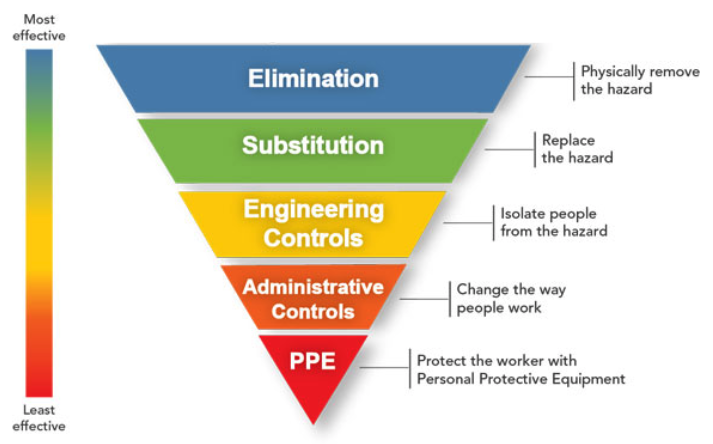
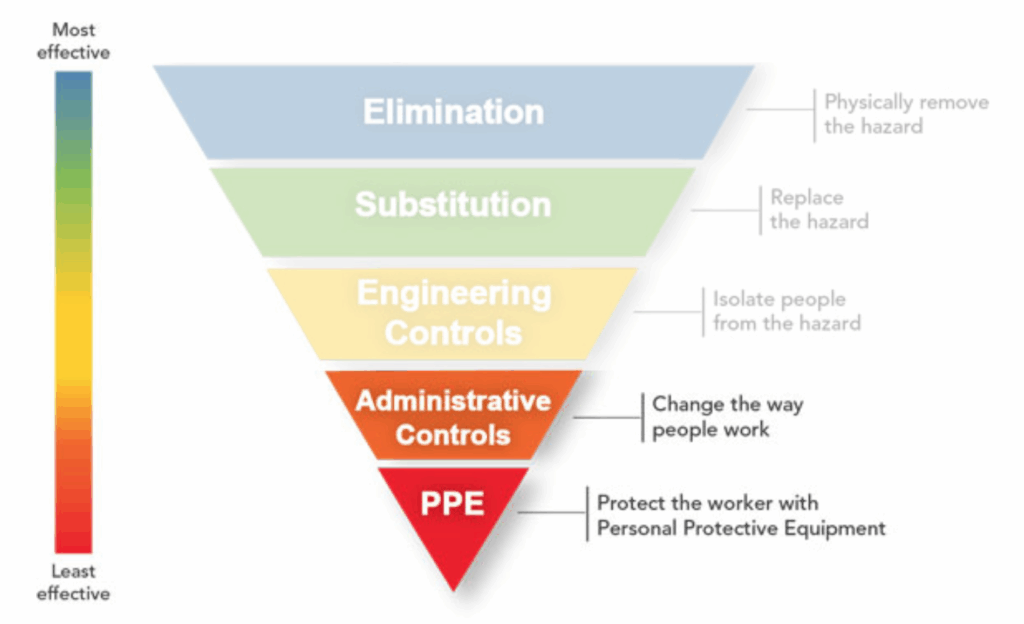
Hierarchy of Control: The Five Types of Hazard Control
Let’s take a closer look at each control in the five types of hazard control.
You can think of each section in the hierarchy of control as a “line of defense” against workplace accidents and occupational hazards.
Though the categories at the top are wider-reaching and more effective, things always slip through the cracks. This is why it’s important to implement all parts of the hierarchy in some way, despite their differing rates of efficacy.

1. Elimination
At the top of the hierarchy of controls is the elimination of a risk or hazard. This means removing a material or process that poses a risk to workers entirely. Intuitively, this is the most effective category in the hierarchy of controls because if there’s no hazard at all, there’s virtually no risk.
Examples of hazard elimination include:
- Taking equipment placed high above ground and lowering it to the floor before workers repair it.
- Moving machinery that creates a loud noise to its own dedicated room.
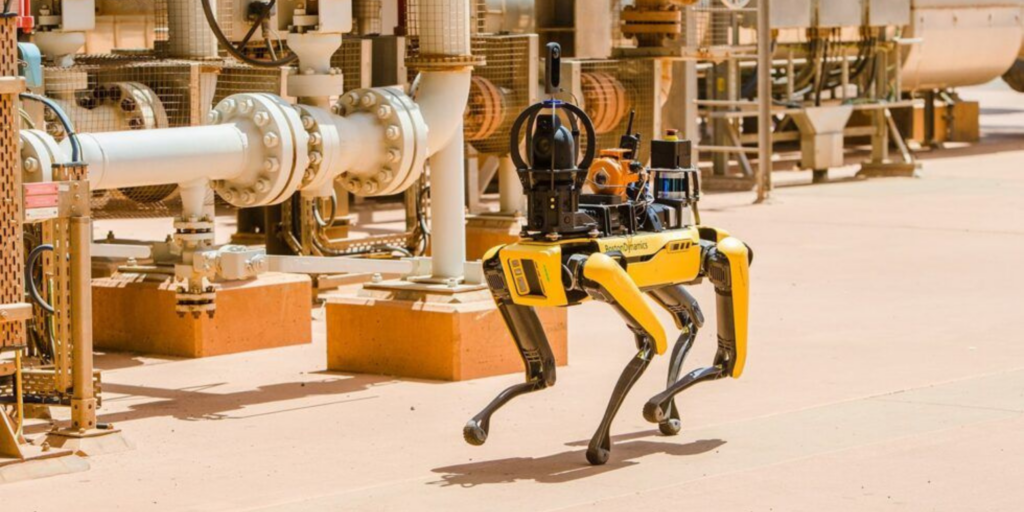
- Automating hazardous inspections by using drones or other unmanned vehicles.
Of course, complete elimination of risk isn’t always possible. Sometimes, risk is unavoidable in an industry. Other times, it’s too expensive or work-intensive to completely remove an item or process from an established production line. Retrofitting an entire system with one that is only marginally safer is not viable for many small or medium sized businesses.
It is for this reason then that hazard elimination is best implemented during the planning and design process. This is where prevention through design, as discussed above, comes into play.
When hazard elimination is implemented into the design process, it is often simple and inexpensive. Large changes can still be made, and, while many industries cannot fully eliminate all hazards, addressing risks at the earliest stage possible allows for maximum safety.
2. Substitution
Substitution, the second most effective form of hazard control, involves replacing a hazardous material or process with one that poses a lower risk.
Like hazard elimination, hazard substitution is most effective in the design or planning stage of a project, when large, sweeping changes can still be made at a low cost.
Examples of hazard substitution include:
- Replacing a lead-based paint with a safer one like titanium white.
- Using an eco-friendly pesticide in place of one that contains DDT.
- Replacing a piece of cutting equipment with one that has fewer exposed sharp edges.
When implementing hazard substitution controls, businesses must be careful not to produce unintended consequences with their new product of choice. If this occurs—where a process believed to be less hazardous ends producing a new, unexpected risk—it is known as a regrettable substitution.
One well-known example of a regrettable substitution involved a brake cleaner that was phased out due to its dangerous environmental impact. However, its replacement, an organic compound known as hexane, was eventually discovered to be neurotoxic.
3. Engineering Controls
If hazard elimination or substitution is not possible—whether it be because a project is past its development stage or that a safer alternative is just not available—then businesses should turn to the third category in the hierarchy: engineering controls.
Engineering controls attempt to physically separate a human worker from risk. Rather than eliminate a hazard completely, engineering controls aim to isolate people from hazardous processes by placing a barrier between them and the risk at hand.
Examples of engineering controls include:
- Installing guardrails, partitions or sound dampening equipment.
- Reducing the inhalation of toxic material through proper ventilation.
- Using tools, displays and other equipment to create an ergonomically appropriate workplace.
Though engineering controls are not as effective as hazard elimination or hazard substitution, they are still beneficial because they are designed to remove a hazard at its source, before it comes into contact with the worker.
Rather than relying on a worker’s behavior or ability to wear protective equipment, engineering controls physically alter a workplace to make it safer.
Upfront costs of engineering controls tend to be higher than other categories in the hierarchy; however, in the long term, properly instituted engineering controls can not only independently protect workers, but lower operating costs overall. It also saves shareholders money in workplace injury fees and liability insurance.
4. Administrative Controls
The fourth most effective type of hazard control is administrative controls. Administrative controls attempt to change the way that people work by instituting policies, rules, signage or practices that shift workers’ behavior.
While administrative controls do not remove hazards from the workplace, they do attempt to limit a worker’s exposure to any given risk.
Examples of administrative controls include:
- Completing road construction at night when fewer people are driving.
- Requiring employees to wash their hands thoroughly after using the restroom.
- Limiting the amount of hours that drivers of commercial vehicles can be on the road.
Administrative controls are less effective than other types of hazard reduction in the hierarchy because they rely almost fully on human behavior and worker accountability.
Just consider the examples given above; while they do reduce risk, road construction still happens during the day, employees still don’t wash their hands, and truck drivers still drive more hours than they reasonably should. Sometimes, a sign is simply not enough, and it is for this reason that administrative controls are further down the hierarchy.
5. Personal Protective Equipment (PPE)
The final category in the hierarchy of control is personal protective equipment (PPE). This is at the bottom of the hierarchy as it generally is the least effective of all hazard control methods.
Examples of personal protective equipment include:
- Wearing surgical masks to reduce risk or infection.
- Keeping hardhats or steel toed boots on in a construction environment.
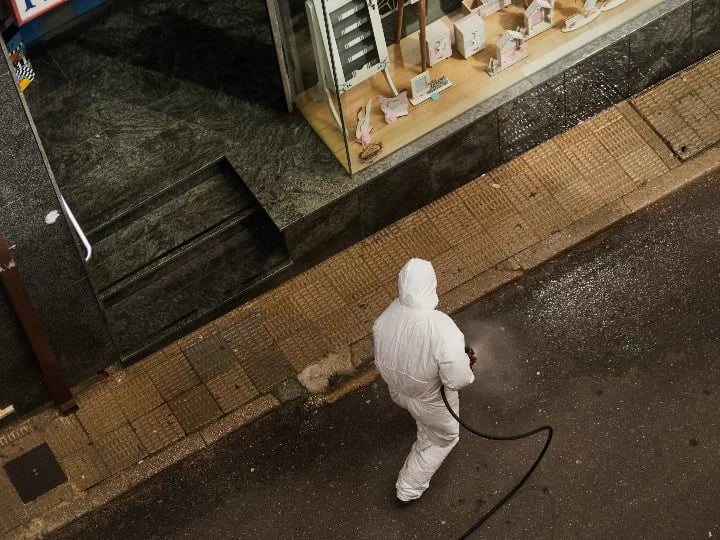
- Donning gloves, pads or a hazardous materials suit when handling toxic chemicals.
Personal protective equipment is generally seen as less effective than other hazard control methods because it does not eliminate the hazard and still exposes workers directly to the risk. If either the hazard or the equipment malfunctions or breaks, there is little left standing between the worker and the hazard.
PPE can also burden a worker, rendering them unable to do their job to their best capacity due to uncomfortability or other strains caused by protection equipment. It is for this reason that PPE is typically used as part of a hazard control system and not as the entire process.

Prevention through Design
The hierarchy of controls is part of a wider safety concept known as prevention through design.
Prevention through design (also sometimes known as safety by design in Europe) aims to minimize risk and hazards in the workplace at the top level.
By identifying and “designing out” potential dangers in the planning stages of projects, prevention through design can help stop accidents before they even have a chance to materialize.
Reducing worker risks “at the source” not only minimizes the amount of workplace injuries and deaths, but also helps to maximize returns for all stakeholders. Less injuries means less downtime, which means an increase in both profits and efficiency.
The sections at the top of the hierarchy of control pyramid (namely elimination and substitution) are a key part of preventative safety measures and prevention through design.
In fact, the National Institute for Occupational Safety and Health (NIOSH) considers the process to be “the most effective and reliable type of safety system in preventing occupational harm.”