
Industrial Inspection Equipment Sales and Rentals in Baton Rouge
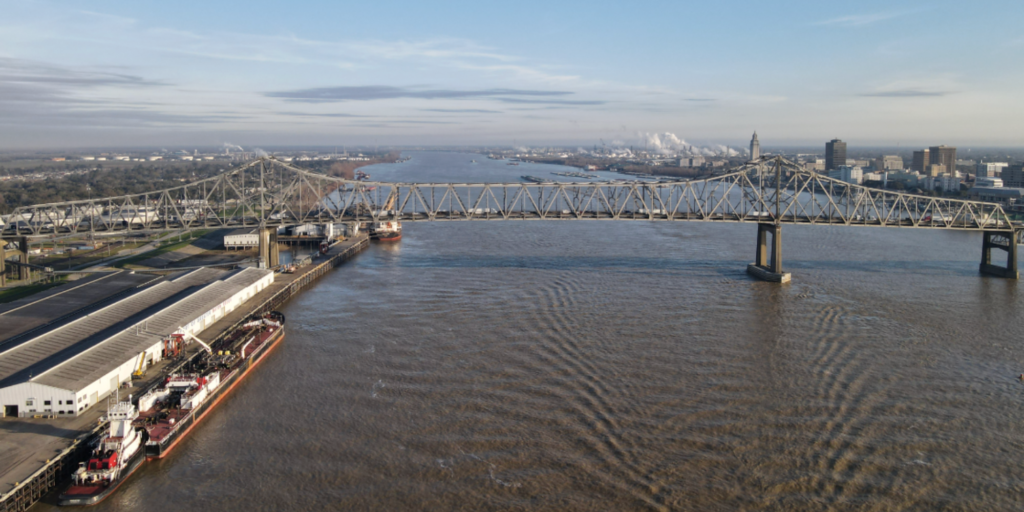
Inspection teams throughout Greater Baton Rouge work across one of Louisiana’s most active industrial areas.
Refineries, chemical plants, storage terminals, pipelines, manufacturing facilities, and Mississippi River infrastructure all require dependable equipment—and MFE Inspection Solutions is here to help.
From our local Baton Rouge office, MFE helps industrial teams evaluate equipment for nondestructive testing, remote visual inspection, environmental monitoring, and robotic inspection applications.
MFE Inspection Solutions | Baton Rouge
12030 Lakeland Park Blvd, Suite 105
Baton Rouge, LA 70809
(225) 456-5285
How to Buy or Rent Inspection Equipment in Baton Rouge
Choosing inspection equipment starts with the work you need to perform—not just a list of products.
MFE will help you evaluate your inspection environment, method, access constraints, and data requirements to find the right inspection equipment for your needs.
Tell Us About Your Inspection
Start with the asset and the information you need to collect. Important details may include the material being inspected, expected damage mechanisms, inspection method, access limitations, operating environment, project schedule, and reporting requirements.
For Baton Rouge-area teams, that could mean inspecting piping and pressure equipment during a turnaround, evaluating storage-tank surfaces, or collecting data from an elevated or confined asset.
Evaluate Equipment Options
Once MFE understands your needs, you can compare equipment to find the right solution. Depending on the work, that may include NDT instruments, remote visual inspection systems, environmental equipment, drones, crawlers, or other robotic inspection tools.
Buy or Rent Based on Your Project
Buying makes sense when equipment will support a recurring inspection program, frequent fieldwork, or a long-term internal capability.
Renting makes sense for turnarounds, temporary demand, specialized applications, proof-of-concept work, or projects that don’t justify a permanent equipment purchase.
Either way, we’re here to help.
Inspection Equipment for Baton Rouge’s Industrial Inspection Challenges
The Baton Rouge industrial area includes process plants, storage and transfer infrastructure, pipelines, river terminals, manufacturing facilities, and supporting utilities.
These environments present different access conditions and data requirements, so the right equipment depends on the asset, inspection method, operating conditions, and decisions the inspection must support.
Refineries, Chemical Plants, and Process Facilities
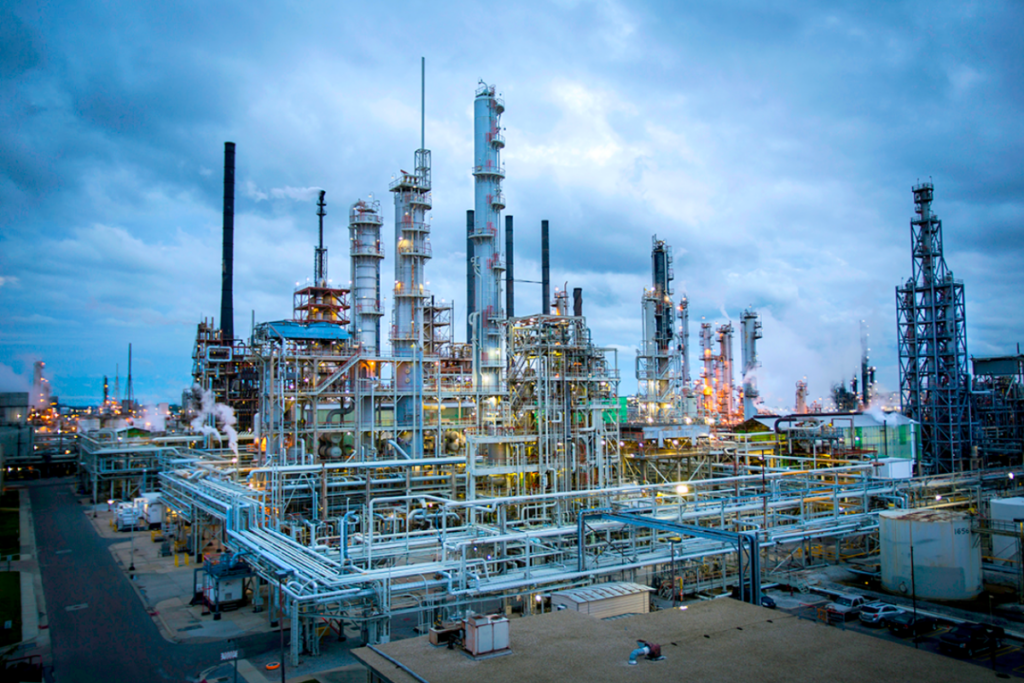
Refineries and chemical facilities contain extensive networks of piping, vessels, tanks, boilers, heat exchangers, and other equipment that must be evaluated throughout its service life.
Depending on the application, teams may use ultrasonic instruments, visual inspection systems, thickness-measurement equipment, gas-detection technology, or robotic platforms capable of collecting data in elevated, enclosed, or difficult-to-reach areas.
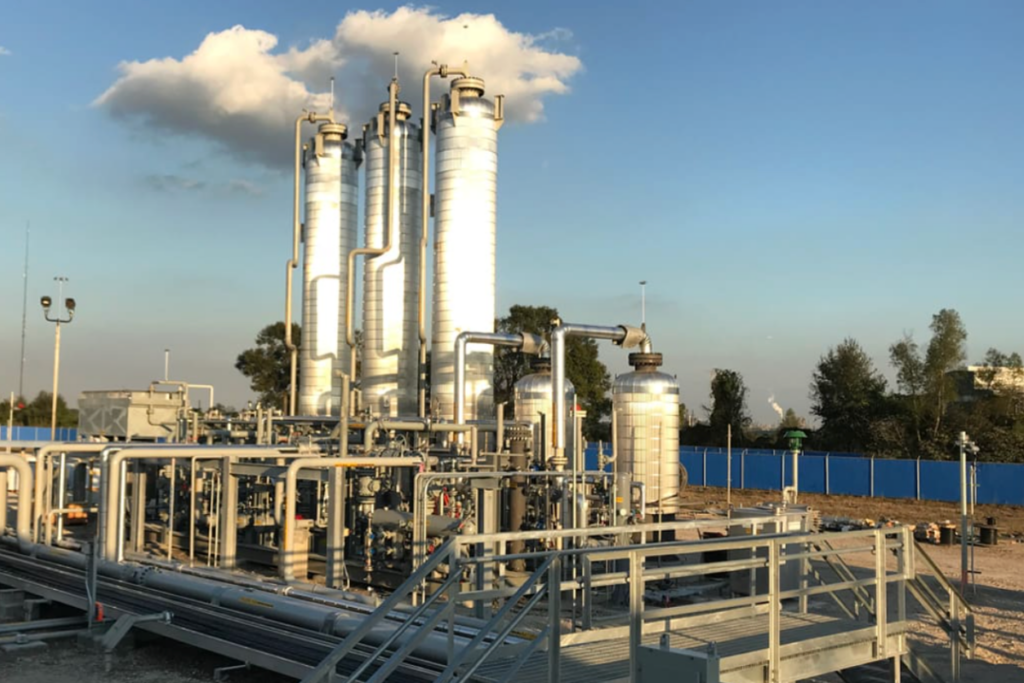
Storage Tanks, Terminals, and Pipeline Infrastructure
Tank farms, liquid terminals, loading facilities, and pipeline systems contain large surface areas and interconnected components that may require several inspection methods.
Inspection teams may need equipment for corrosion screening, thickness measurement, weld evaluation, remote viewing, environmental monitoring, or examining areas that are impractical to reach manually. Crawlers, drones, and remote visual systems may provide additional access options where site conditions and inspection procedures permit their use.
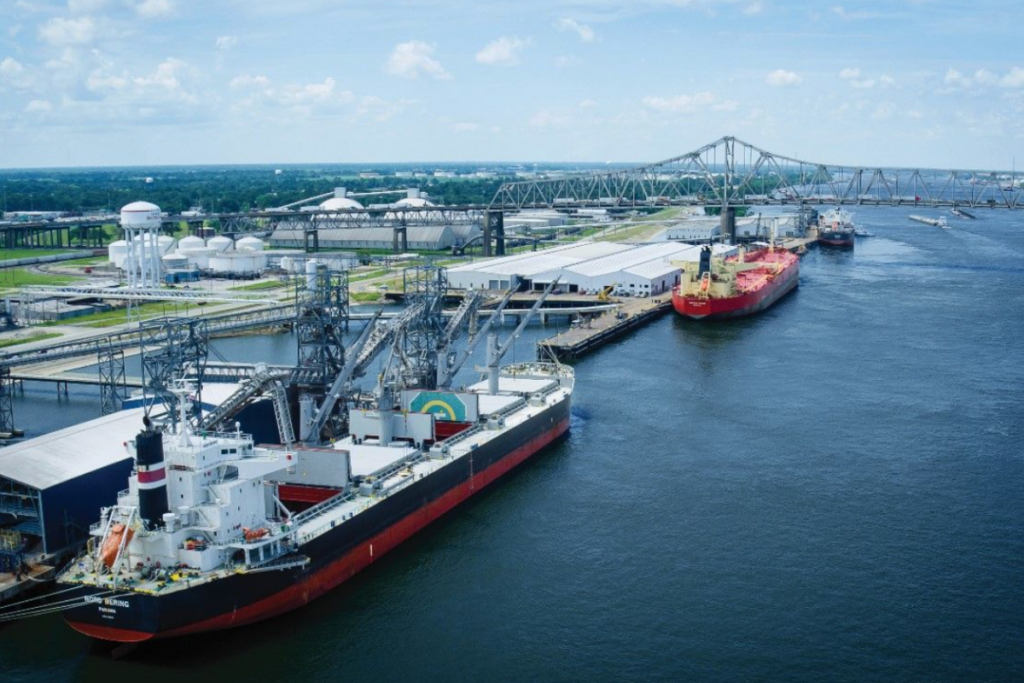
Port, River, and Marine Infrastructure
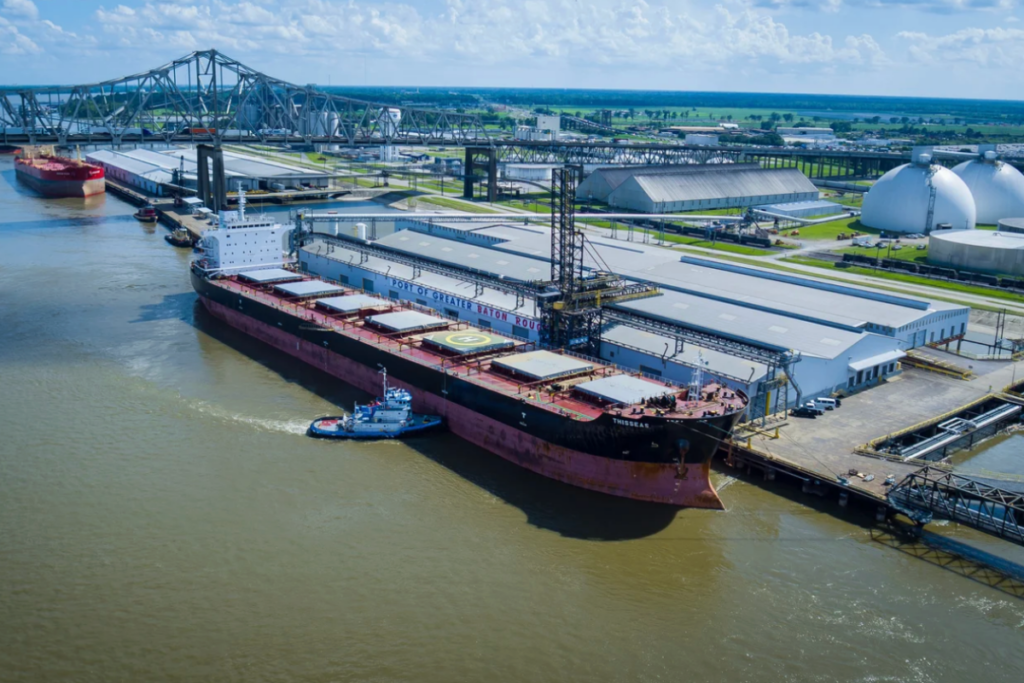
The Mississippi River connects Greater Baton Rouge to commercial shipping, barge traffic, terminals, docks, rail, and other cargo-handling infrastructure.
Inspection work in these environments can involve vessels, wharves, loading systems, cranes, tanks, structural components, and equipment exposed to water, weather, vibration, and continuous industrial use.
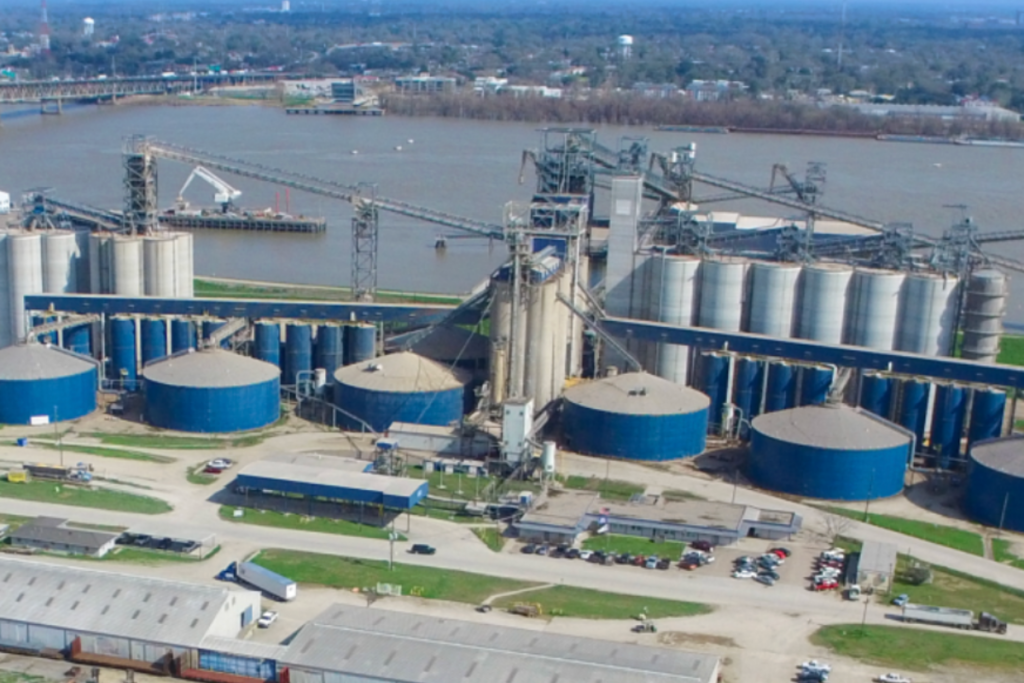
Utilities, Manufacturing, and Critical Infrastructure
Industrial activity throughout the Baton Rouge area depends on power systems, water infrastructure, manufacturing facilities, bridges, transportation assets, and other supporting infrastructure.
These assets may require the inspection of structural components, piping, machinery, electrical equipment, concrete surfaces, confined spaces, or elevated areas.
Discuss Your Baton Rouge Inspection Equipment Needs
You don’t need to know exactly which equipment you need before contacting MFE.
Tell MFE what you are inspecting, the method you plan to use, and whether you are considering a purchase or rental. We can help you evaluate equipment options and confirm current availability for your project.
Serving Inspection Teams Across Greater Baton Rouge
MFE’s Baton Rouge location provides a local point of contact for inspection teams in the city and throughout the surrounding Mississippi River industrial corridor, as well a the entire state of Louisiana.
Baton Rouge & Port Allen
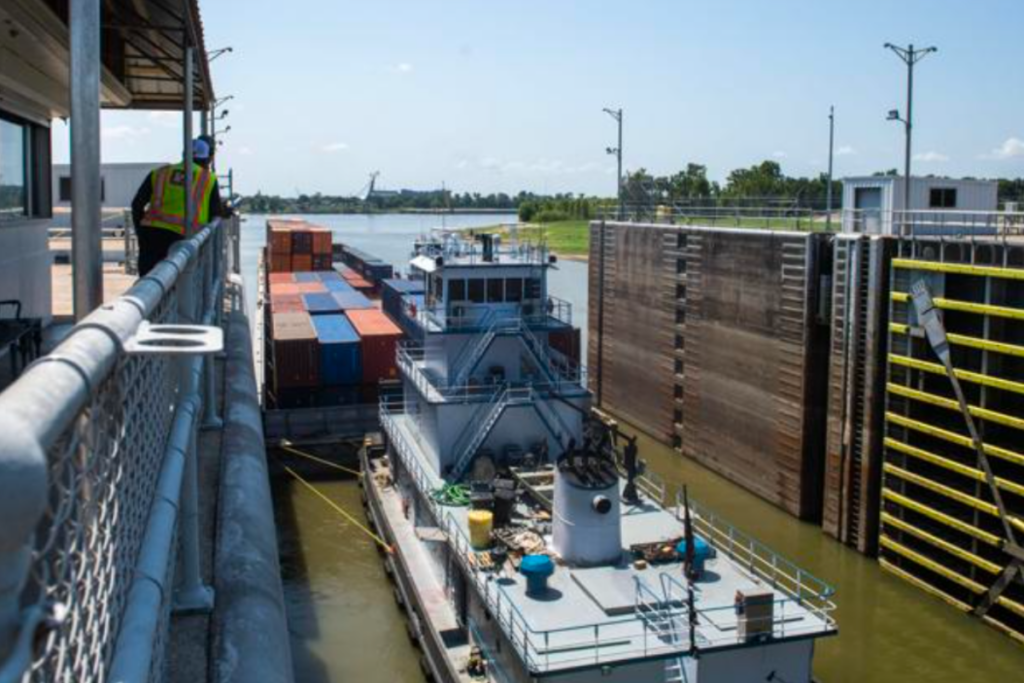
Baton Rouge and neighboring Port Allen sit on opposite sides of the Mississippi River within a connected industrial and transportation market. The area includes refineries, chemical facilities, storage terminals, manufacturing operations, river infrastructure, and the Port of Greater Baton Rouge.
The port connects ocean-going vessels and barges with rail and highway transportation, creating inspection needs across docks, warehouses, cargo-handling systems, vessels, tanks, structural components, and supporting equipment.
Plaquemine & Iberville Parish
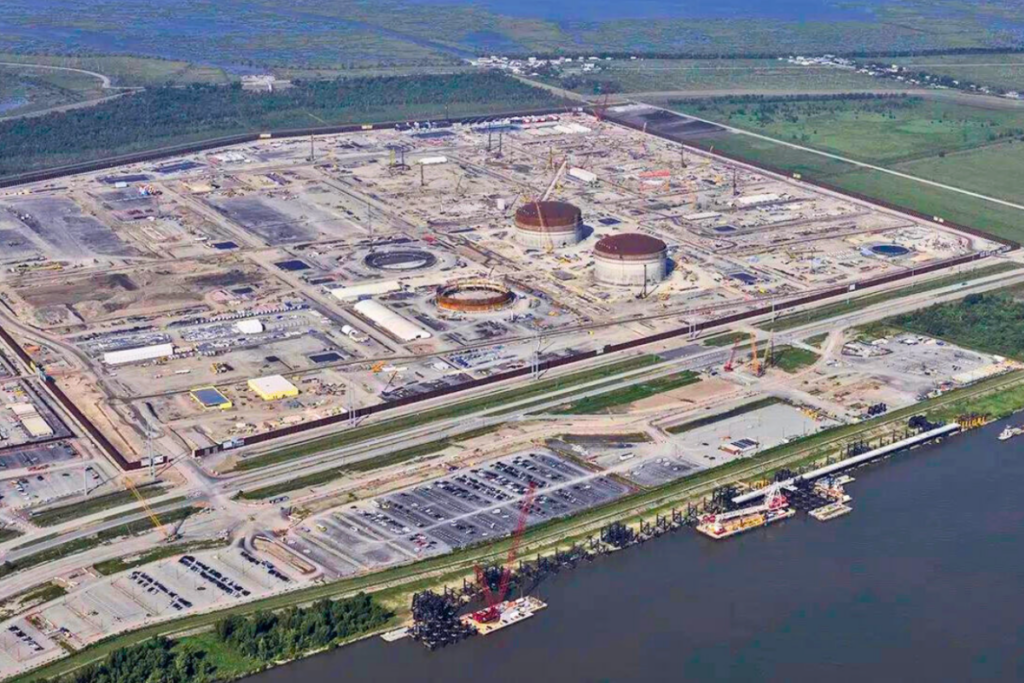
South of Baton Rouge, Plaquemine and the surrounding Iberville Parish industrial corridor contain major process-manufacturing operations and river-connected infrastructure.
Inspection teams in this area may work with chemical-processing equipment, storage tanks, pipelines, loading systems, utilities, and other assets exposed to demanding operating conditions.
MFE can help teams in Plaquemine, St. Gabriel, White Castle, and surrounding areas evaluate purchasing and rental options for planned inspections, turnarounds, and temporary equipment demand.
Gonzales, Geismar & Ascension Parish
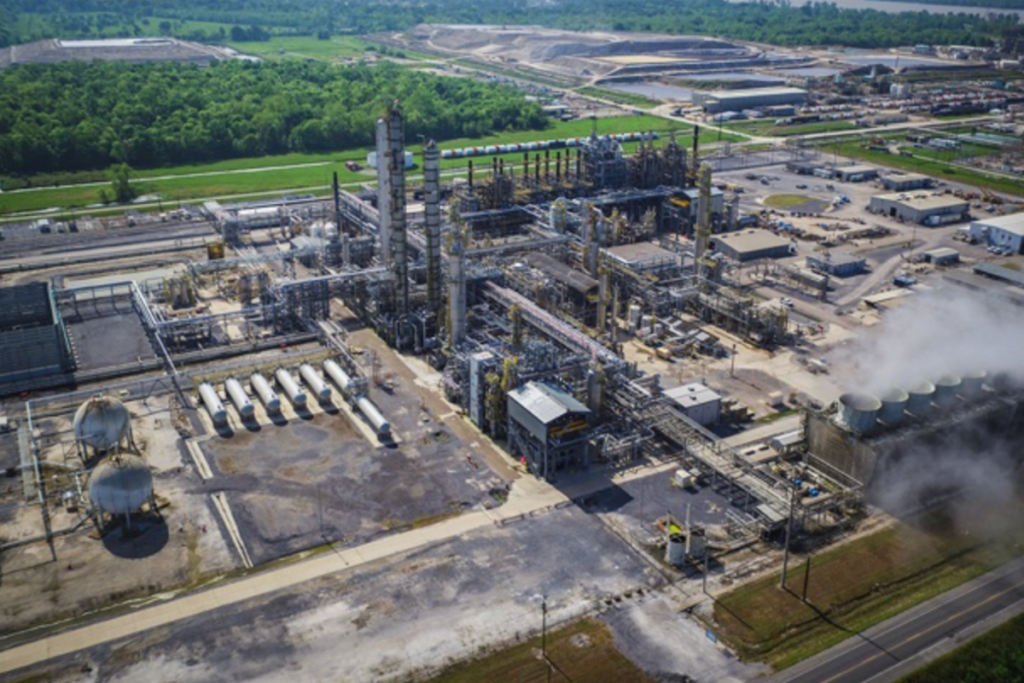
The industrial corridor southeast of Baton Rouge includes a substantial concentration of chemical plants, process facilities, supporting manufacturers, pipelines, terminals, and logistics infrastructure.
Teams working in Gonzales, Geismar, and throughout Ascension Parish may need to coordinate multiple inspection methods across large facilities and complex asset networks.
Why Baton Rouge Inspection Teams Work With MFE
MFE helps Baton Rouge inspection teams move from an asset or inspection challenge to equipment that fits their work, supporting both planned equipment purchases and short-term project requirements.
A Consultative Approach
Industrial inspections don’t all require the same method or equipment. MFE supplies equipment across NDT, remote visual inspection, environmental monitoring, drones, crawlers, and other robotic inspection categories.
The right option depends on the details of the inspection—and starting with those requirements helps narrow equipment selection before comparing individual models or configurations.
Sales and Rental Solutions
MFE offers both purchasing and rental options. Purchasing may suit teams developing a recurring internal inspection capability, while renting can help with temporary needs, specialized projects, or short-term capacity constraints.
Experience Across Baton Rouge Industries
Baton Rouge inspection teams work across refineries, chemical and petrochemical plants, terminals, pipelines, ports, utilities, manufacturing facilities, and other industrial environments.
MFE connects these operating needs to relevant inspection equipment without assuming that one technology or method fits every facility. Our Baton Rouge location provides a physical point of contact for teams throughout the Capital Region and surrounding industrial corridor.
Help Evaluating the Right Approach
Inspection equipment should fit the work being performed and the decisions the collected data must support.
We help buyers compare relevant equipment based on their stated application and determine which questions must be resolved before choosing a system.
Baton Rouge Inspection Equipment FAQs
Have questions about inspection equipment sales, rentals, availability, or choosing the right technology for Louisiana inspection work?
Here are answers to the questions we get most often from our Baton Rouge and throughout Louisiana customers.
MFE Inspection Solutions is located at 12030 Lakeland Park Blvd, Suite 105, Baton Rouge, LA 70809. Call the branch at (225) 456-5285 or email sales@mfe-is.com
Yes. MFE offers inspection equipment for sale and rent. Contact the Baton Rouge branch with the equipment category, application, and project timing so the team can confirm suitable options and current availability.
MFE supplies inspection equipment relevant to refineries, chemical and process facilities, storage terminals, pipelines, ports, marine operations, utilities, manufacturing facilities, and other industrial environments. Equipment suitability depends on the specific asset and inspection method.
You can contact MFE about NDT instruments, remote visual inspection systems, environmental equipment, drones, crawlers, and other robotic inspection technology. Confirm the exact model, configuration, and availability directly with MFE.
Yes. MFE’s Baton Rouge location is the local point of contact for buyers in Baton Rouge and the surrounding Capital Region, including Port Allen, Plaquemine, Gonzales, Geismar, and nearby industrial communities, as well as the entire state of Louisiana. Contact the branch to discuss your location and project requirements.
Call the Baton Rouge branch at (225) 456-5285, email sales@mfe-is.com, or submit MFE’s online quote-request form. Include your required inspection method, equipment category, project dates, and any important configuration details.
Yes. MFE can discuss purchasing and rental paths based on factors such as project duration, expected frequency of use, temporary capacity needs, and the equipment required. The final decision should also account for operator readiness, maintenance, ownership costs, and long-term program needs.
 English
 English (Canada)
 Français du Canada