Resources / Guide / Gas Detection Drones: An In-Depth Guide to Drone Leak Detection [New for 2026]
Guide
Gas Detection Drones: An In-Depth Guide to Drone Leak Detection [New for 2026]
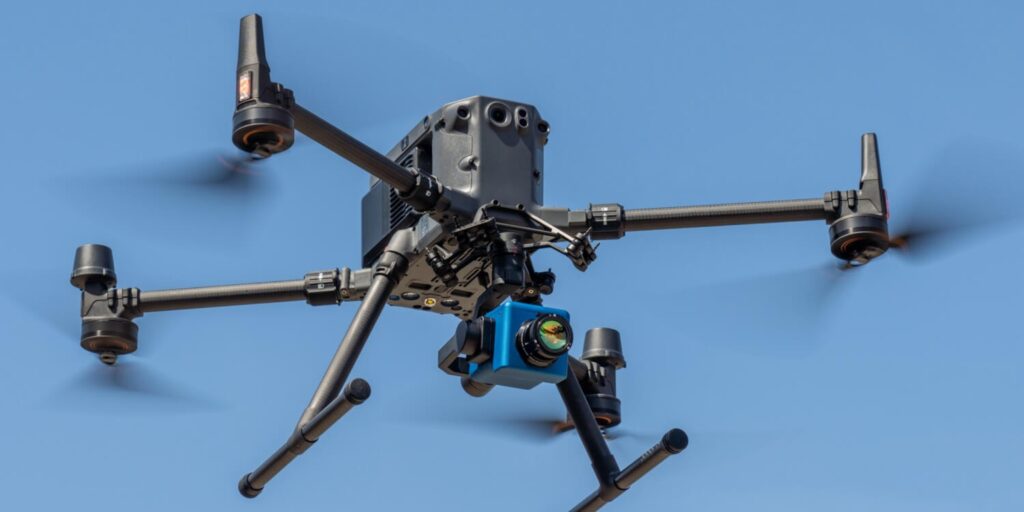
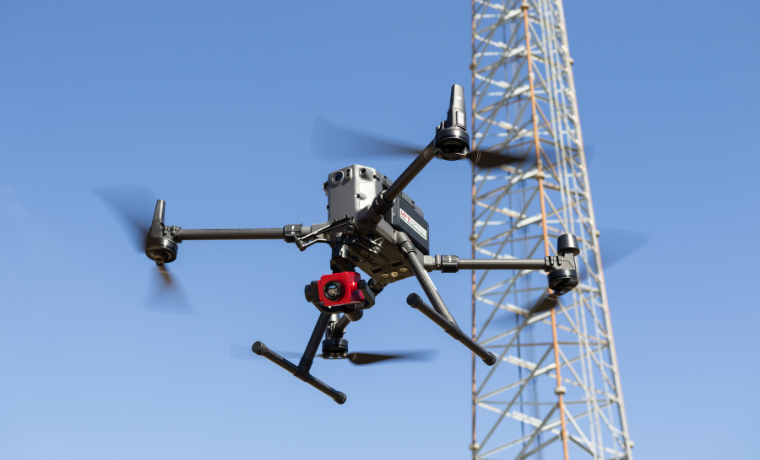
A gas detection drone is an unmanned aerial vehicle equipped with specialized sensors, such as infrared or laser-based detectors, that identify and monitor gas leaks or emissions in industrial, environmental, and safety applications.
The integration of commercial drone technology into gas detection represents a significant leap forward in the ability to monitor and manage environmental safety and industrial compliance, helping industries do gas leak detection with unprecedented precision and speed.
Other common terms for gas detection drone technology include:
Gas leak detection drone
Emissions monitoring drone
Methane detection drone
UAV gas detector
Drone leak detection
By deploying drones for drone methane detection or other types of gas detection, companies can quickly identify and assess leaks in hard-to-reach or potentially hazardous locations.
Being able to do leak detection remotely reduces human risk by minimizing the need for personnel to enter these dangerous areas. It also cuts down on the extensive costs associated with traditional gas leak detection methods.
The Best Drones for Leak Detection [New for 2026]
Leak detection in industrial and environmental contexts requires highly specialized tools.
Over the last few years, drones equipped with advanced sensors have emerged as top contenders for this task.
The effectiveness of a drone for leak detection often has as much—if not more—to do with the sensor the drone carries than with the drone itself.
For this reason, we’ve broken this section into one highlighting sensors made for drone gas detection and one highlighting drones that can carry those sensors.
The Best Sensors for Drone Gas Detection
1. MFE Detect LW Optical Gas Imaging Payload
The MFE Detect LW is a pioneering long-wave infrared (LWIR) optical gas imaging camera for DJI M300/M350 drones, designed for effective aerial methane leak detection. Its compliance with OOOOa, b, c, and Appendix K standards makes it essential for industries needing safe, large-scale emissions monitoring.
Key Features of the MFE Detect LW
High-responsivity uncooled detector for real-time methane visualization.
Seamless integration with DJI drones for efficient aerial inspections.
Lightweight, durable design optimized for environmental compliance.
Applications for the MFE Detect LW
Oil and Gas. Aerial detection of methane leaks in refineries, pipelines, and storage facilities.
Environmental Monitoring. Inspecting landfills and sensitive areas for methane emissions.
Industrial Safety. Monitoring emissions in chemical plants and power generation facilities to prevent hazards.
The LinkedAll OGI 640 is designed to integrate seamlessly with a range of drone platforms, providing detailed imaging capabilities for detecting gases like methane and propane. This sensor is critical for industries such as oil and gas, where the detection of hydrocarbon leaks can prevent accidents and reduce environmental impact.
Key Features of the LinkedAll OGI 640
High sensitivity to hydrocarbons.
Real-time gas imaging.
Capable of operating in diverse environmental conditions.
Applications for the LinkedAll OGI 640
Oil and Gas. Detection of hydrocarbon gas leaks at refineries, pipelines, and storage facilities and more.
Chemical Manufacturing. Identifying leaks of hazardous gases such as benzene or ammonia in chemical plants and more.
Power Generation. Inspecting gas-fired power plants for leaks to prevent explosions or hazardous emissions and more.
Environmental Monitoring. Surveying and detecting gas emissions in sensitive ecological zones to protect wildlife and more.
The MUVE C360 from Teledyne FLIR is a multi-gas detector specifically designed for integration with UAVs. It offers comprehensive gas detection capabilities, making it invaluable for emergency response and environmental monitoring.
Key Features of the MUVE C360
Detects and measures multiple gases simultaneously.
Real-time 3D mapping of gas clouds.
Rugged design suitable for complex industrial environments.
Applications for the MUVE C360
Industrial Leak Detection. Identifying and locating gas leaks in industrial settings, such as refineries and chemical plants, to prevent accidents and ensure safety.
Disaster Site Assessment. Monitoring gas emissions at disaster sites to evaluate potential hazards and assist in emergency response efforts.
Environmental Monitoring. Detecting harmful gas emissions in natural environments to ensure regulatory compliance and protect ecological zones.
These drones not only need to be stable and robust to carry such equipment but also must have enhanced flight capabilities to navigate challenging environments.
Here are two of the top drones on the market for gas detection.
1. DJI Matrice 350 RTK for Gas Detection
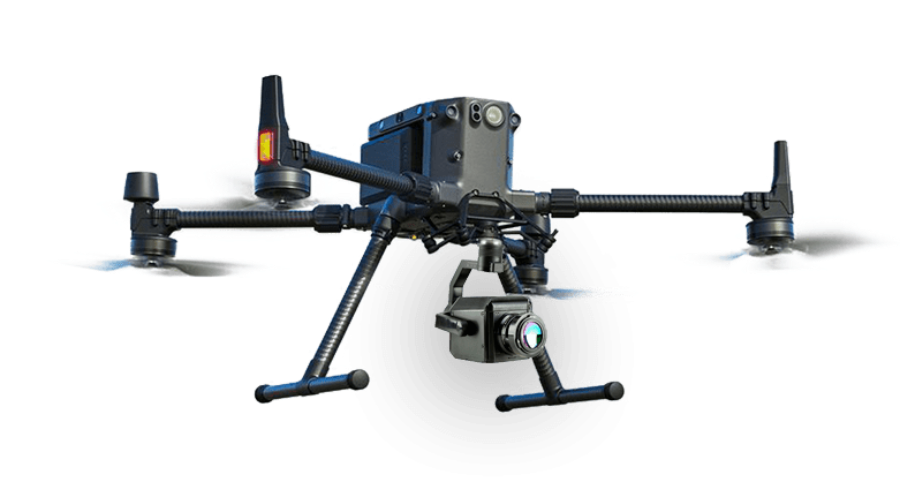
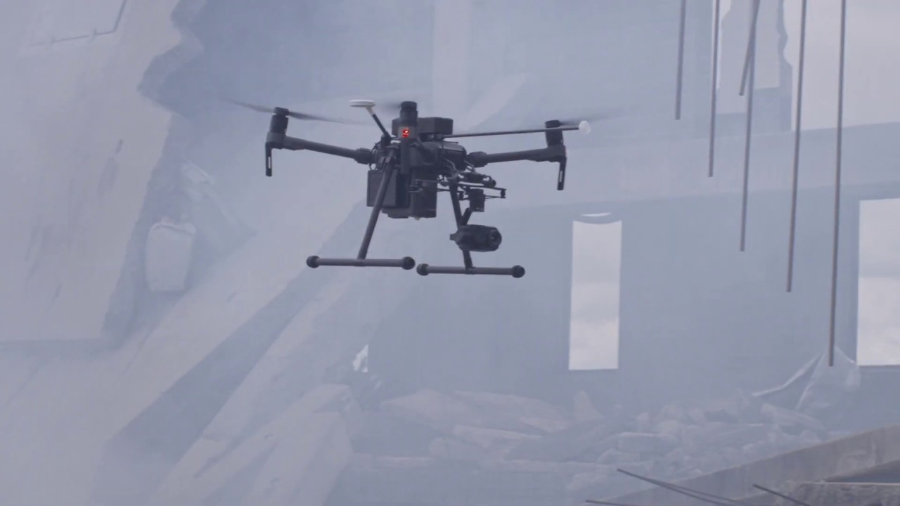
The DJI Matrice 350 RTK is an advanced industrial drone platform optimized for gas detection missions, especially when equipped with drone payloads like the OGI-640. This drone offers enhanced flight performance, robust safety features, and extended flight time, making it ideal for challenging industrial inspections and environmental monitoring applications.
Flight time. Up to 55 minutes.
Payload capacity. Capable of carrying multiple sensors, including the OGI-640.
Transmission range. Up to 12.4 miles (20 km) with advanced OcuSync 3.0 transmission system.
Obstacle avoidance. Omnidirectional obstacle sensing for safe operation in complex environments.
Durability. IP55-rated weather resistance for reliable use in extreme conditions.
The DJI Matrice 300 RTK is a versatile drone platform that excels in gas detection applications, particularly when paired with the OGI-640 gas sensor. This powerful drone provides a robust solution for industrial inspections, environmental monitoring, and leak detection, allowing operators to efficiently detect gas leaks in real-time.
Flight time. Up to 55 minutes.
Max payload capacity. 6 pounds (2.7 kg), supporting multiple sensors including the OGI-640 and the .
Transmission range. Up to 9.3 miles (15 km) with triple-channel 1080p video transmission.
Obstacle avoidance. Omnidirectional sensing and positioning for enhanced flight safety.
Weather resistance. IP45 rating for reliable performance in harsh conditions.
But not all drones can. To be able to detect a gas leak, a drone must be capable of carrying a gas leak sensor.
Technologies Used in Drone Gas Detection
Optical Gas Imaging (OGI)
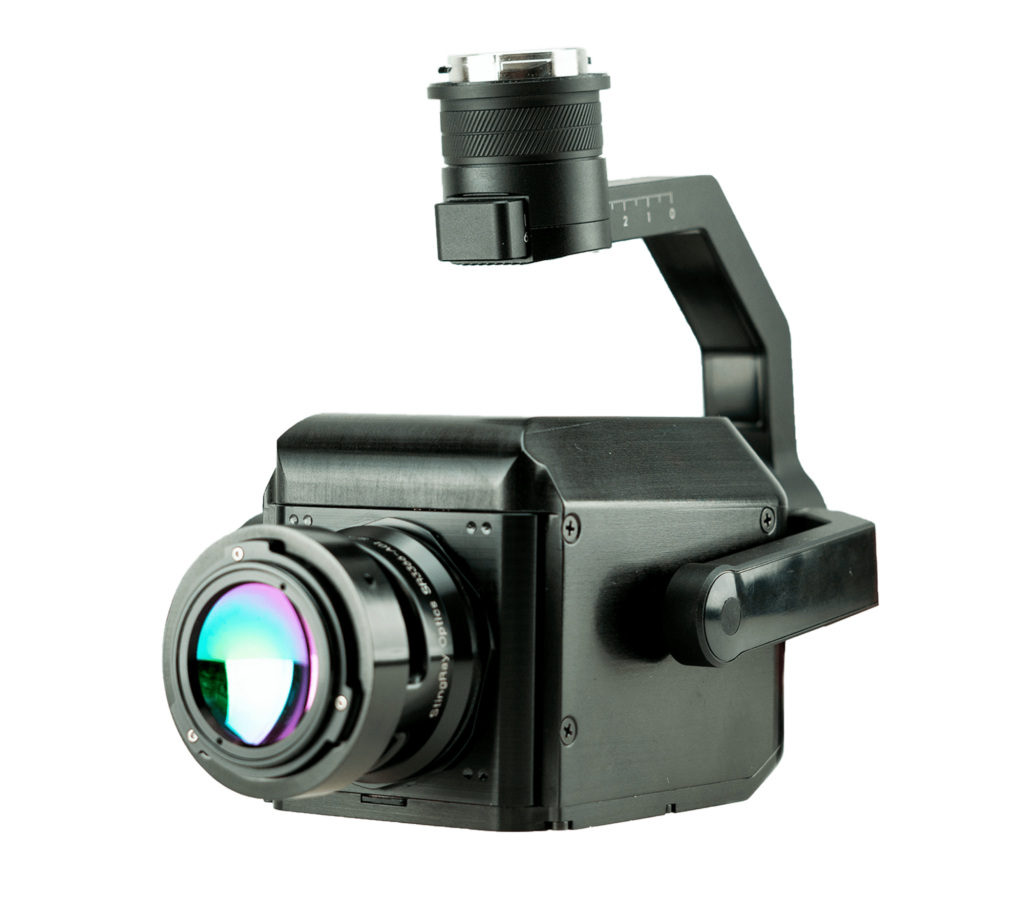
OGI cameras are one of the most common tools used in drone leak detection. These cameras utilize infrared technology to visualize gases that would otherwise be invisible to the naked eye. This method is particularly effective for detecting hydrocarbon-based gases such as methane, propane, and butane, which are prevalent in oil and gas industries.
Accuracy: OGI allows for quick visualization of gas plumes and leaks, even from a distance, making it a vital tool for emissions monitoring drones.
The MFE OGI-640 drone gas detection payload
Laser-Based Detection
Laser systems, such as tunable diode laser absorption spectroscopy (TDLAS), provide another layer of precision in drone gas detection. These systems can measure the concentration of specific gases by analyzing the absorption of laser light as it passes through the gas cloud.
Accuracy: Laser-based methods are highly accurate and can quantify the concentration of gases, such as methane, at various distances, which is crucial for applications like drone methane detection.
Types of Gases Drones Can Detect
Methane (CH4). Often targeted in the oil and gas sector due to its potency as a greenhouse gas and its prevalence in natural gas systems.
Hydrocarbons (Propane, Butane). Commonly found in industrial and residential settings, these gases are crucial targets for leak detection due to their combustible nature.
Volatile Organic Compounds (VOCs). Encompass a variety of chemicals that are detected due to their impact on air quality and human health.
How Does Drone Gas Analysis Work?
Drones equipped with gas detection sensors offer a flexible, efficient, and safe method to identify and quantify gas concentrations in various environments.
This section outlines the technology and processes involved in drone gas analysis, which has become pivotal for industries ranging from oil and gas to environmental monitoring.
Here’s an overview of how drone gas analysis works:
Gas sensor. A drone equipped with a gas detection sensor flies over a target area.
Data collection. As the drone flies it collects gas leak data.
Data analysis. After the flight, technicians use special software to analyze the data.
As you can see, drone gas analysis works basically the same way that traditional gas analysis works—but instead of a person collecting the gas leak data, you have a drone doing it.
Keep reading to go deeper on each part of the process.
Sensor Types
Here are the types of gas sensors you can put onto a drone:
Optical gas imaging (OGI) sensors. These sensors utilize infrared technology to visualize and detect gas emissions. They are particularly effective for hydrocarbons and are widely used in drone leak detection.
Laser-based sensors. Employing technologies like Tunable Diode Laser Absorption Spectroscopy (TDLAS), these sensors measure gas concentrations by analyzing the light absorption by gases, suitable for drone methane detection.
Electrochemical sensors. Used for detecting specific toxic or combustible gases, these sensors produce a change in electrical properties as they react with the gas.
Ultrasonic sensors. These sensors detect gas leaks by identifying the acoustic signatures of escaping gases, useful in noisy industrial environments where traditional methods might fail.
Data Collection Methods
Drones equipped with gas sensors fly over the target area, collecting data in real-time.
The flight patterns can be pre-programmed or manually controlled, depending on the mission requirements. Data is continuously transmitted to a ground station where it is logged for further analysis. Using drones equipped with these special sensors allows for extensive emissions monitoring across large and inaccessible areas, significantly enhancing the efficiency of industrial operations.
Analysis Software
After collecting the gas data, technicians analyze it using sophisticated software that can interpret the sensor readings to provide accurate and actionable insights.
This software is capable of:
Mapping gas concentrations over the surveyed area, creating detailed visualizations of the leak sites.
Quantifying the leak rates, which is crucial for assessing the severity of leaks and the associated risks.
Integrating with Geographic Information Systems (GIS) for comprehensive spatial analysis, aiding in decision-making processes related to leak management and environmental compliance.
4 Major Benefits of Using Drones for Gas Detection
The use of drones for gas detection has transformed traditional safety and environmental monitoring methodologies, bringing numerous advantages over conventional methods.
Here are the four biggest benefits companies across a range of industries are realizing from using gas detection drones in their work.
1. Enhanced Safety
Drones eliminate the need for human operators to physically access potentially hazardous leak sites.
This significantly reduces health and safety risks, especially in industries like oil and gas where exposure to toxic gases can be life-threatening. The use of drone gas detection equipment thus supports a safer work environment.
2. Access to Hard-to-Reach Places
Drones are particularly useful in areas that are difficult or impossible to reach by traditional methods.
Whether it’s high altitudes, remote locations, or complex industrial structures, drones can navigate these with ease, providing critical data without the logistical challenges and risks associated with manual inspections.
3. Speed of Deployment
Drones can be deployed quickly and can cover large areas in a short amount of time, making them highly efficient for monitoring fugitive emissions.
Rapid deployment is essential for immediate assessment and response during leak detection operations, particularly in emergency scenarios where time is of the essence.
4. Cost Savings
The operational efficiency of drones also translates into significant cost savings.
Traditional gas detection methods often involve extensive manpower, equipment, and maintenance costs. In contrast, drone methane detection and other drone-based gas sensing technologies require fewer personnel and can reduce overall operational costs by minimizing the need for physical infrastructure and the associated upkeep.
Top 4 Industries that Use Gas Detection Drones
Each industry has its own unique challenges—and drones have been proving helpful to address many of them.
Below is an overview of the industries using drone gas leak detection, with specific use cases for each one.
1. Oil and Gas
The oil and gas industry faces significant risks from gas leaks, which can lead to catastrophic accidents and environmental damage.
Drone gas leak detection provides a safe and efficient way to monitor vast pipeline networks and remote installations without the need for human inspectors to enter potentially hazardous areas. Drones can quickly identify methane and other hydrocarbon leaks, significantly improving response times and safety measures.
Oil and Gas Use Cases for Drone Gas Detection
Pipeline monitoring. Drones are deployed to inspect pipelines for leaks, especially in remote or hard-to-reach areas, ensuring timely detection and minimal environmental impact.
Offshore platform inspections. Drones equipped with gas detection sensors can monitor offshore platforms, identifying hazardous gas accumulations that pose risks to safety and operations.
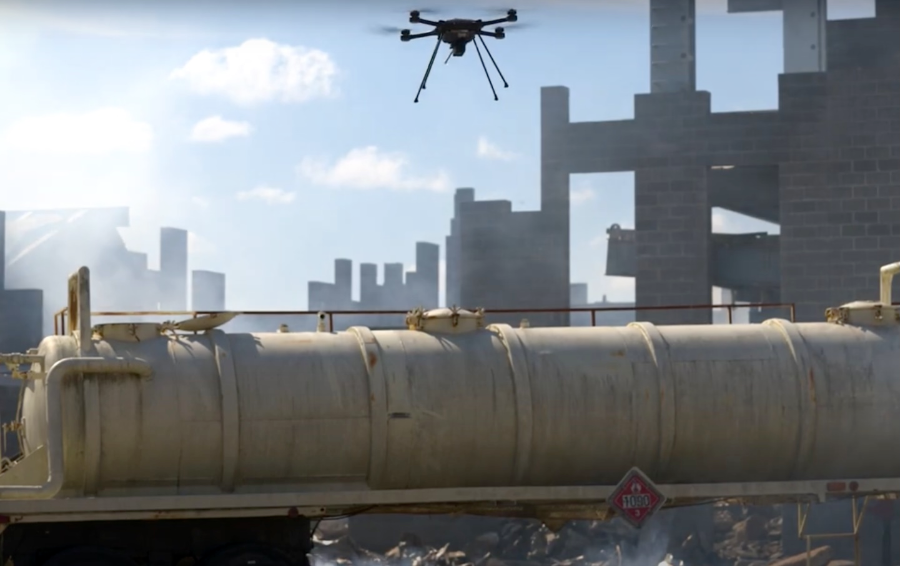
Tank inspections. Drones can inspect gas storage tanks from a safe distance, identifying leaks and structural weaknesses without endangering human inspectors.
Environmental compliance. Use drones to monitor methane and other harmful emissions to ensure compliance with environmental regulations and reduce penalties.
Emergency response. In the event of a gas leak or other emergencies, drones can be rapidly deployed to assess the area, providing critical data to guide response efforts without risking further human exposure.
2. Utilities
Utilities, including electric and gas services, must regularly inspect their infrastructure to ensure public safety and operational efficiency.
Gas detection drones offer a rapid assessment tool for checking pipelines and storage facilities from a safe distance, thereby reducing downtime and labor costs associated with manual inspections.
Utilities Use Cases for Drone Gas Detection
Gas line surveillance. Drones equipped with gas detection sensors can efficiently monitor extensive gas line networks, quickly identifying leaks that can pose safety and environmental risks.
Substation monitoring. Drones are used to inspect substations for gas leaks, which can prevent potential fires and explosions in critical utility infrastructure.
Post-disaster assessment. After natural disasters, drones can be deployed to assess damages to utility infrastructure and detect gas leaks, facilitating faster restoration of services.
Maintenance inspections. Regular drone inspections help utilities maintain compliance with safety regulations and operational standards by detecting and addressing leaks before they become major issues.
Construction monitoring. During the construction of new utility installations or the decommissioning of old ones, drones can monitor for unintended gas emissions, ensuring that the sites comply with environmental and safety standards.
3. Chemical Manufacturing
In chemical plants, undetected gas leaks can lead to toxic exposures and explosions.
Employing drone gas detection technology, such as optical gas imaging, allows for continuous monitoring of facilities. This method not only enhances workplace safety but also helps in meeting stringent regulatory standards for emissions and environmental protection.
Chemical Manufacturing Use Cases for Drone Gas Detection
Leak detection in processing areas. Drones equipped with advanced sensors can identify leaks of volatile organic compounds (VOCs) and other hazardous gases in chemical processing areas, enhancing safety and operational integrity.
Emission monitoring. Chemical plants use drones to monitor and manage emissions, ensuring compliance with environmental regulations and helping to maintain air quality standards.
Plant safety inspections. Regular inspections with drones can identify potential safety issues related to gas leaks before they lead to accidents, contributing to a safer working environment.
Storage tank inspections. Drones provide a safe and efficient way to inspect storage tanks for leaks or corrosion without exposing human inspectors to hazardous substances.
Disaster response. In the event of a chemical spill or leak, drones can quickly assess the area, providing critical data to guide emergency response and mitigate risks to human health and the environment.
4. Environmental Monitoring
Environmental agencies utilize emissions monitoring drones to oversee areas that are difficult to access or too large to efficiently cover by ground operations.
Drones equipped with sensors can measure various pollutants and provide data that is crucial for environmental assessments and compliance with environmental laws.
Environmental Monitoring Use Cases for Drone Gas Detection
Wildlife habitat monitoring. Drones can detect and monitor gas emissions in wildlife habitats, helping to assess the impact of industrial activities on natural ecosystems and aiding in conservation efforts.
Air quality assessment. Utilizing drones equipped with gas sensors, environmental agencies can conduct widespread air quality assessments more efficiently, providing real-time data crucial for public health advisories.
Landfill emissions. Drones are used to monitor methane and other hazardous gas emissions from landfills, ensuring compliance with environmental standards and identifying risks of uncontrolled gas releases.
Disaster impact analysis. In the aftermath of environmental disasters, drones can rapidly evaluate affected areas for gas leaks or toxic emissions, helping to direct cleanup efforts and mitigate further environmental damage.
Regulatory compliance monitoring. Drones help regulatory bodies monitor and enforce compliance with environmental laws by providing evidence of unauthorized or excessive gas emissions from industrial sites.
By integrating drone methane detection and other specific gas sensing technologies, these industries are able to enhance safety, reduce environmental impact, and optimize their operations with greater precision and less invasive methods than ever before.
Future Trends in Drone Gas Detection
The field of drone gas detection is poised for significant transformations with advancements in sensor technology, artificial intelligence (AI), and autonomous flight capabilities. These innovations are expected to dramatically enhance the efficiency and effectiveness of gas detection and monitoring.
Here’s a look at some of the key developments on the horizon.
1. Advanced Sensor Technologies
Future drones will likely be equipped with even more sophisticated sensors that can detect a broader range of gases at lower concentrations. This will improve the capability for drone leak detection in various industrial and environmental contexts.
2. Artificial Intelligence Integration
AI is set to play a crucial role in analyzing data collected by drones. By employing machine learning algorithms, drones will be able to identify patterns and predict potential leak points more accurately, which is critical for proactive emissions monitoring drones.
3. Enhanced Autonomy
The next generation of drones will feature improved autonomous flight capabilities. This will allow for longer and more complex missions without human intervention, increasing the areas that can be monitored and reducing the response time in drone gas detection scenarios.
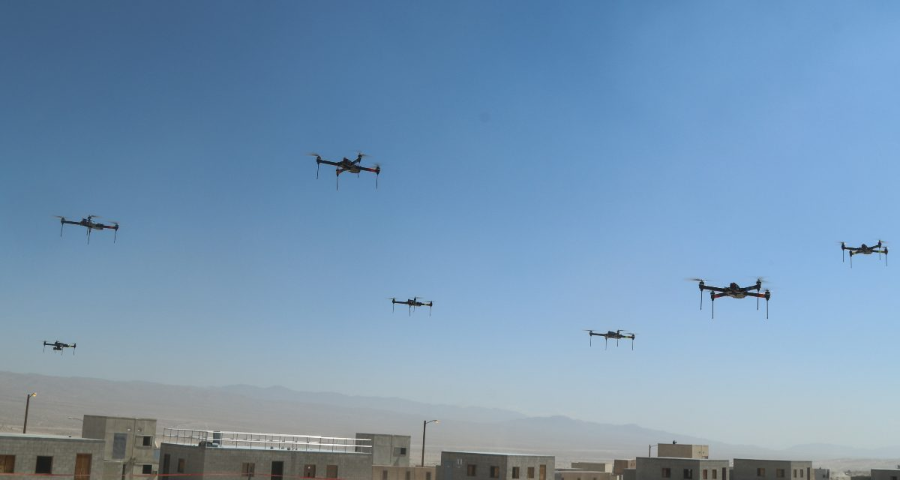
4. Swarm Technology
The use of drone swarms for gas detection is a promising trend. Multiple drones working in sync can cover larger areas more quickly and thoroughly than a single drone, enhancing the efficiency of drone methane detection and other gas monitoring tasks.
These advancements are expected to revolutionize the way industries such as oil and gas, environmental monitoring, and public safety approach the challenge of gas detection and management, ensuring higher safety standards and better environmental protection.
Gas Detection Drone FAQ
Here are answers to some of the most common questions people ask about drones and their gas detection capabilities.
What are the best gas detection drones on the market?
While specific models may vary by application, drones like the DJI Matrice 300 RTK equipped with the FLIR MUVE C360 or the MFE OGI-640 are highly regarded for their reliability and advanced sensor technology, making them popular choices for gas detection.
What kinds of gas leaks can a drone detect?
Drones equipped with appropriate sensors can detect a variety of gases, including methane, propane, carbon monoxide, and other volatile organic compounds (VOCs), crucial for industries like oil and gas, utilities, and environmental monitoring.
Can drones detect gas leaks?
Yes, drones can detect gas leaks effectively. Equipped with specialized sensors like optical gas imaging cameras or laser-based systems, drones can identify and quantify gas leaks even in remote or hazardous areas.
How does drone gas analysis work?
Drone gas analysis typically involves using sensors like infrared cameras or tunable diode laser absorption spectroscopy (TDLAS) to detect specific gas signatures. The data collected is then analyzed to determine the type and concentration of gas present.
What industries most commonly use gas detection drones?
Gas detection drones are extensively used in oil and gas, utilities, chemical manufacturing, and environmental monitoring. These industries benefit from drones’ ability to safely and quickly assess gas emissions and leaks in expansive or inaccessible areas.
How effective are drones in emergency response scenarios for gas detection?
Drones are particularly effective in emergency response, as they can quickly be deployed to assess areas affected by gas leaks or chemical spills without putting human responders at risk. They provide real-time data that is crucial for making immediate and informed decisions.
What are the limitations of using drones for gas detection?
While highly effective, drones do have limitations such as flight time constraints, sensitivity to weather conditions, and the need for skilled operators. Additionally, regulatory restrictions can impact where and how drones can be used for gas detection.
Are gas detection drones cost-effective compared to traditional methods?
Yes, in the long run, gas detection drones can be more cost-effective than traditional methods. They reduce the need for physical scaffolding, protective gear, and manpower, and they can perform the same tasks more quickly and safely, leading to significant cost savings.
Related Gas Detection and Monitoring Resources
Drone-based gas detection is often used when teams need to collect gas or emissions data from areas that are elevated, remote, hazardous, or difficult to access from the ground.
These related resources cover the broader inspection, monitoring, and compliance workflows that often connect to drone-based gas detection.
Gas Leak Detection—Learn how industrial teams locate and characterize gas leaks.
OGI Cameras—See how optical gas imaging supports visual leak detection workflows.
OOOOa—Review methane emissions monitoring and regulatory inspection requirements.
Gas Monitoring—Explore safety-focused monitoring systems for hazardous atmospheric conditions.
Gas Leak Detectors—Compare handheld and portable gas detection tools used in leak investigation.
LEL—Understand combustible gas monitoring and lower explosive limit readings.
Table of Contents
Zacc Dukowitz
Gas Detection Drones: An In-Depth Guide [New for 2026]
Looking for the best gas detection drones on the market? This guide covers everything you need to know, including top use cases and more.
Resources
Guide
Gas Detection Drones: An In-Depth Guide to Drone Leak Detection [New for 2026]