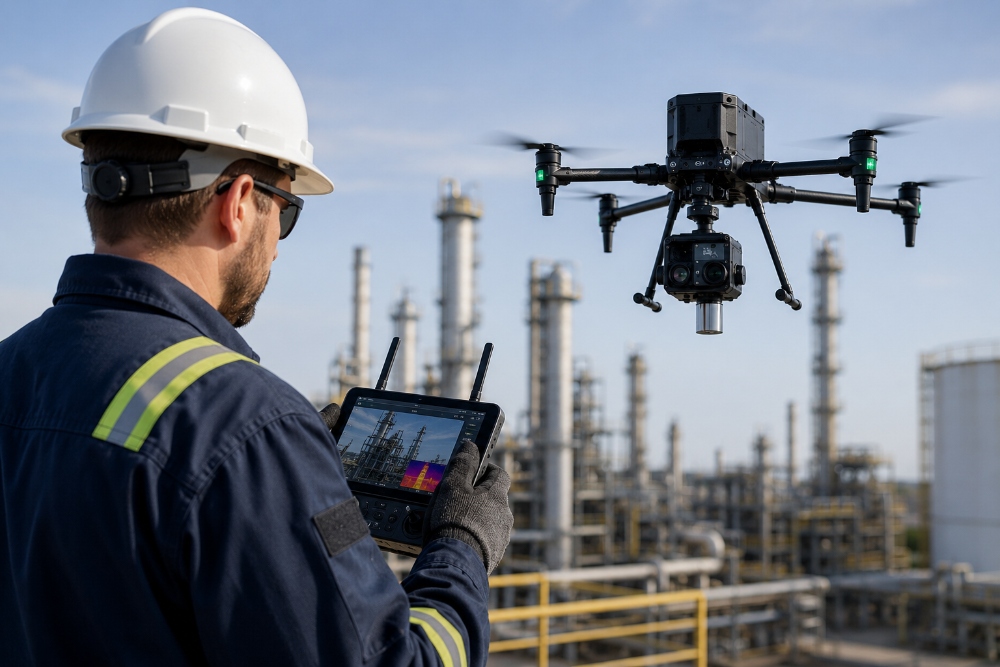
Guide
Drone Payloads: Sensors, Cameras & Tools for Industrial Drone Operations
- Visual camera payloads
- Thermal imaging payloads
- LiDAR payloads
- Gas detection payloads
- Optical gas imaging payloads
- Lighting and spotlight payloads
The Best Drone Payloads on the Market
As industrial drone programs mature, payload selection becomes less about adding features and more about designing the right workflow for the job.
Below is our list of the best drone payloads on the market, organized from the most common to more specialized systems.
The chart below provides an overview. Use the links in the Payload Category column to jump to all the payloads in that category.
| Payload Category | Primary Use | Typical Deliverables | Common Industries |
|---|---|---|---|
| Visual & Thermal Inspection Payloads | General inspection and remote screening | Visual imagery, thermal imagery, inspection documentation | Oil & gas, utilities, infrastructure, public safety |
| LiDAR & Mapping Payloads | Spatial documentation and modeling | Point clouds, digital twins, terrain models | Construction, utilities, mining, infrastructure |
| Gas Detection & OGI Payloads | Emissions detection and atmospheric awareness | Gas concentration data, plume visualization, atmospheric readings | Oil & gas, chemical, energy, environmental |
| Contact NDT & Interaction Payloads | Physical interaction with industrial assets | UT readings, contact inspection data, surface interaction workflows | Industrial NDT, offshore, storage tanks |
| Specialized & Operational Support Payloads | Specialized sensing and operational support | Radiation data, acoustic diagnostics, illumination support | Nuclear, utilities, industrial maintenance, emergency response |
Visual & Thermal Inspection Payloads
Most industrial drone inspection programs begin with visual and thermal payloads because they provide fast situational awareness without requiring physical interaction with the asset.
Here are the top visual and thermal drone payloads on the market:
1. DJI Zenmuse H20T
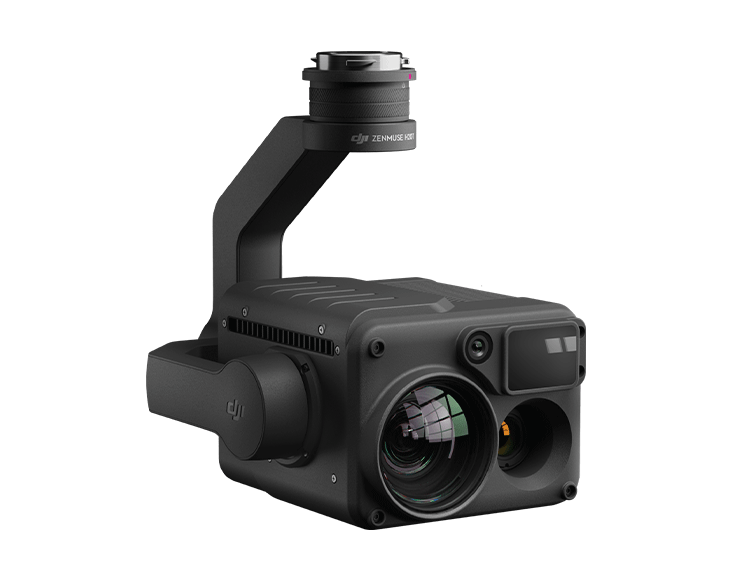
The DJI Zenmuse H20T combines visual zoom, wide-angle imaging, laser range finding, and thermal imaging into a single enterprise payload. It’s commonly used for general industrial inspections, utility inspections, flare stack assessments, and public safety operations where teams need multiple sensing capabilities within a single flight workflow.
DJI Zenmuse H30 Series
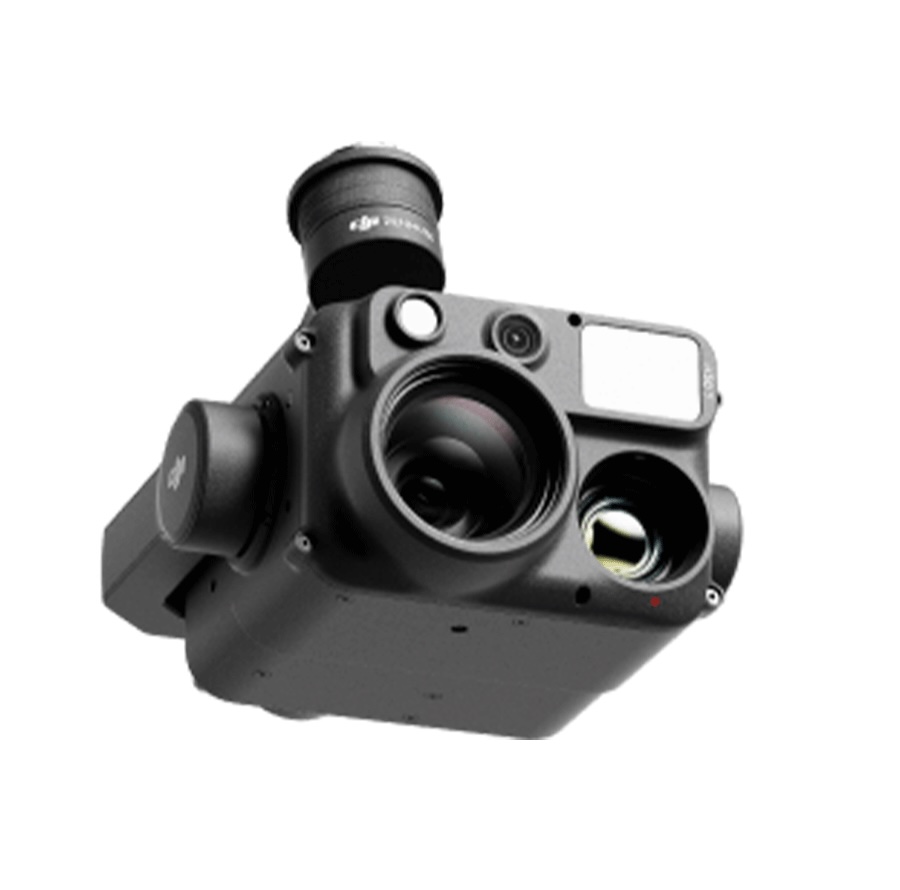
The DJI Zenmuse H30 Series expands enterprise visual and thermal inspection capabilities with improved zoom performance, thermal imaging, and low-light operation. These payloads are commonly deployed in industrial inspection environments where long stand-off distances, difficult access conditions, or nighttime visibility constraints are factors.
Buy the DJI Zenmuse H30 Series.
LiDAR & Mapping Payloads
LiDAR and mapping payloads move drone inspections beyond imagery into measurable spatial documentation. These systems help teams generate point clouds, terrain models, digital twins.
Here are the top LiDAR drone payloads on the market:
DJI Zenmuse L1
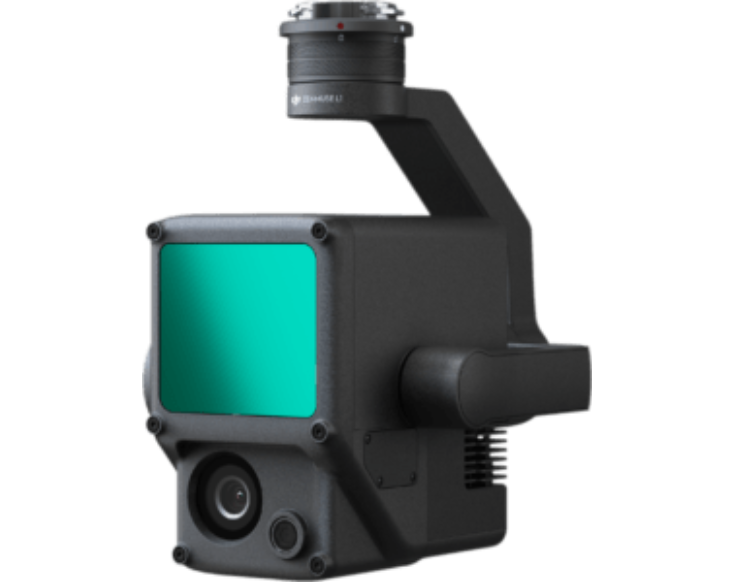
The DJI Zenmuse L1 combines LiDAR sensing with RGB imaging to support mapping, corridor inspection, terrain modeling, and digital twin generation workflows. It is commonly used in utility, infrastructure, construction, and industrial survey applications.
DJI Zenmuse L2
The DJI Zenmuse L2 builds on earlier LiDAR workflows with improved point cloud density, accuracy, and operational efficiency. These systems are often used when teams need highly detailed spatial data while maintaining the speed advantages of aerial data collection.
DJI Zenmuse L3
The DJI Zenmuse L3 supports advanced aerial mapping and spatial modeling workflows for industrial and infrastructure applications. Payloads in this category help teams collect measurable environmental and structural data across large or difficult-to-access sites.
DJI Zenmuse P1
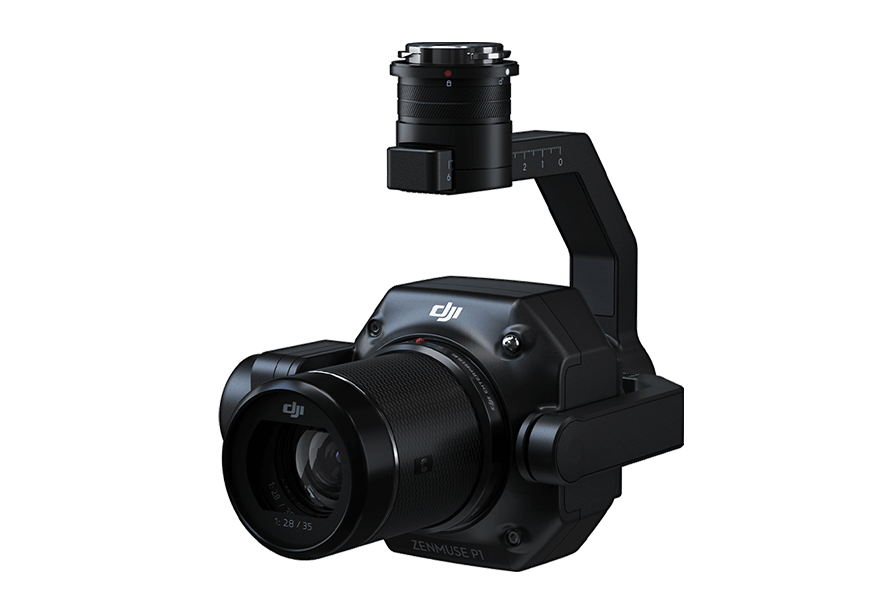
The DJI Zenmuse P1 is a photogrammetry-focused payload designed for high-resolution aerial imaging and mapping workflows. It is commonly used for survey-grade modeling, asset documentation, and digital reconstruction projects where detailed visual datasets are required.
Gas Detection & OGI Payloads
Gas detection and OGI payloads help inspection teams understand conditions that aren’t always visible with standard cameras. Some systems visualize gas plumes, while others collect concentration data or provide atmospheric safety awareness near the drone.
Here are the top gas detection and OGI drone payloads on the market:
MFE Detect LW
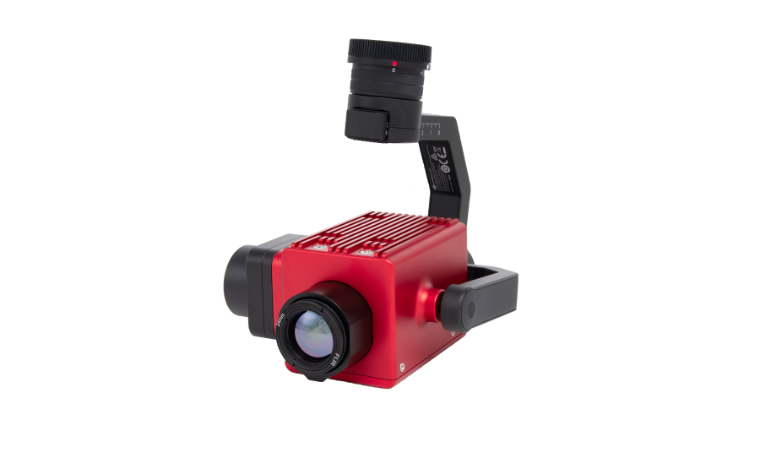
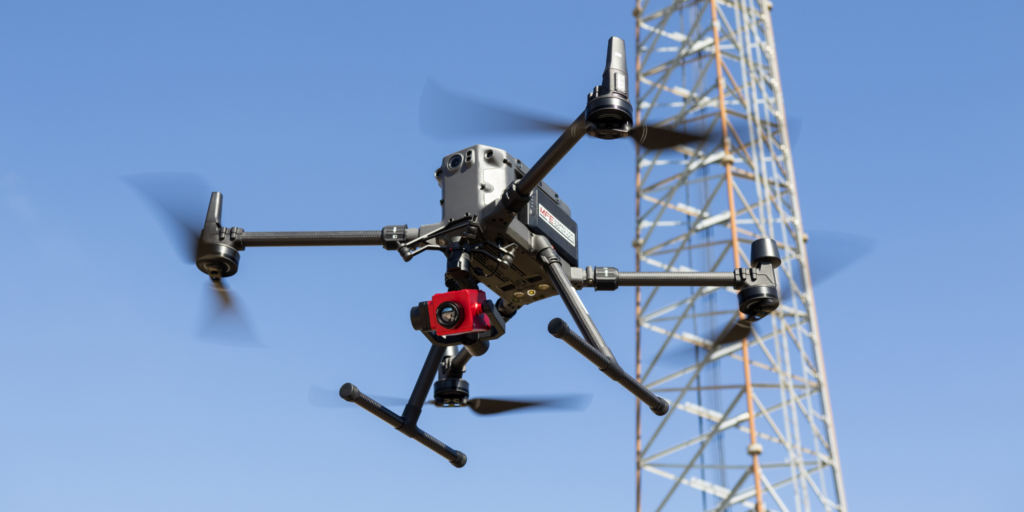
The MFE Detect LW is a long-wave infrared optical gas imaging payload for DJI M300, M350, and M400 series drones. It supports aerial methane detection, emissions screening, and inspection workflows where teams need to visualize gas plumes from the air.
Buy or rent the MFE Detect LW.
MFE OGI 640
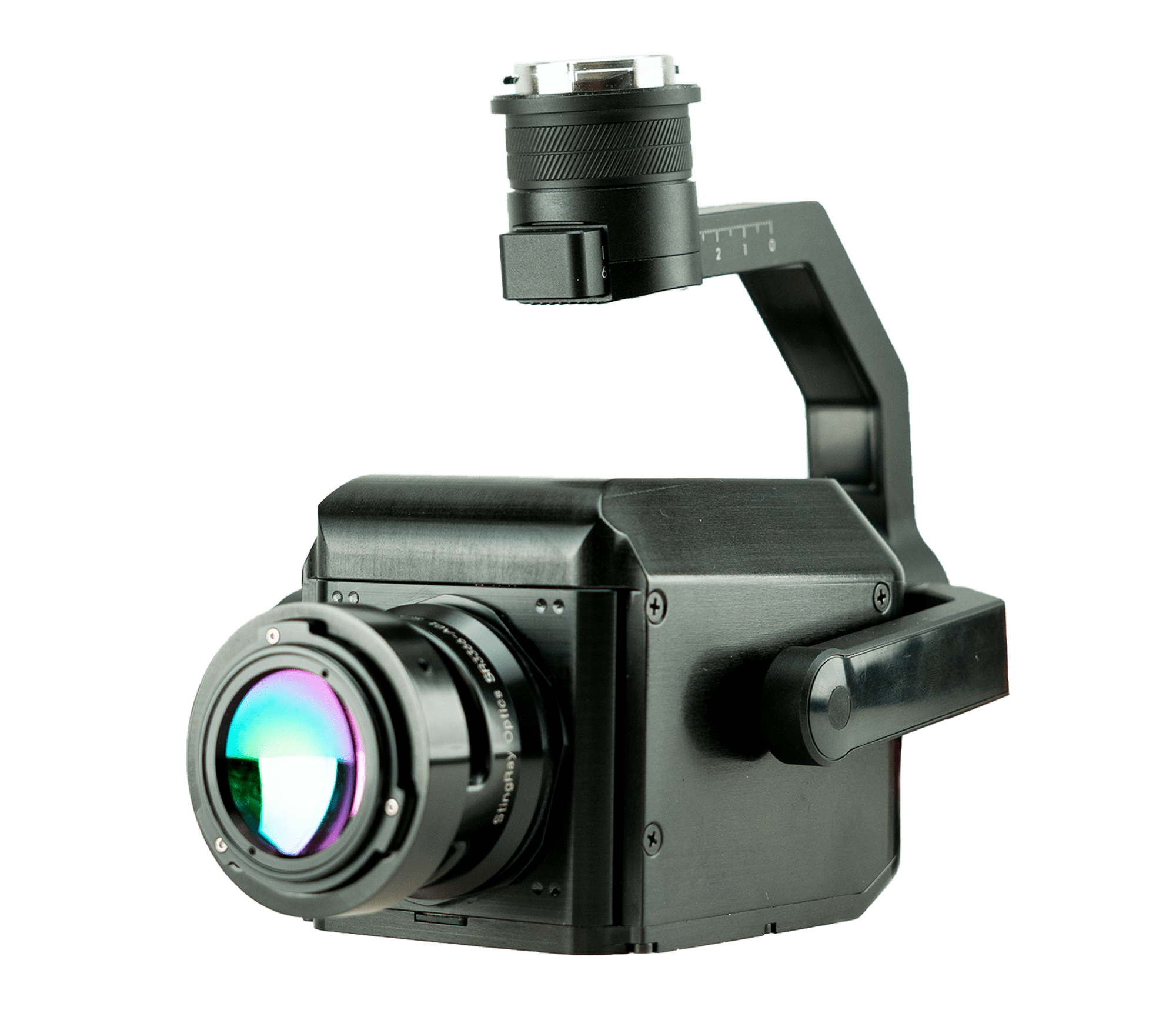
The MFE OGI 640 is an optical gas imaging payload used to support aerial gas leak detection and emissions inspection workflows. It helps teams visualize gas plumes, screen assets, and prioritize follow-up work using drone-based data.
Soarability Sniffer4D Mini2
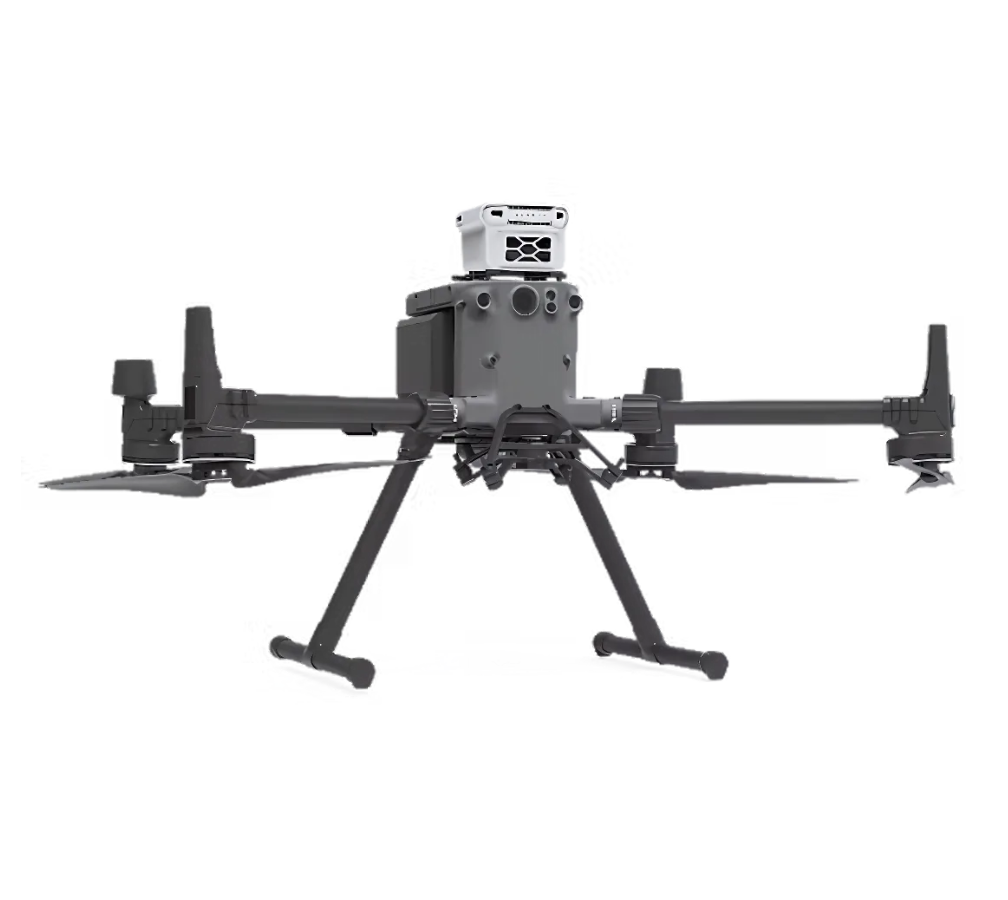
The Soarability Sniffer4D Mini2 is a drone-mounted gas detection payload used to collect atmospheric data during aerial operations. It can support gas distribution mapping, air quality monitoring, emergency response, and industrial environmental workflows.
Buy or rent the Soarability Sniffer4D Mini2.
Teledyne FLIR MUVE C360
The Teledyne FLIR MUVE C360 is a drone-based gas detection payload designed for remote chemical and gas detection workflows. MFE lists this product as discontinued, but it remains useful context for understanding the evolution of drone-mounted atmospheric sensing payloads.
View the Teledyne FLIR MUVE C360.
Voliro T Flammable Gas Sensor
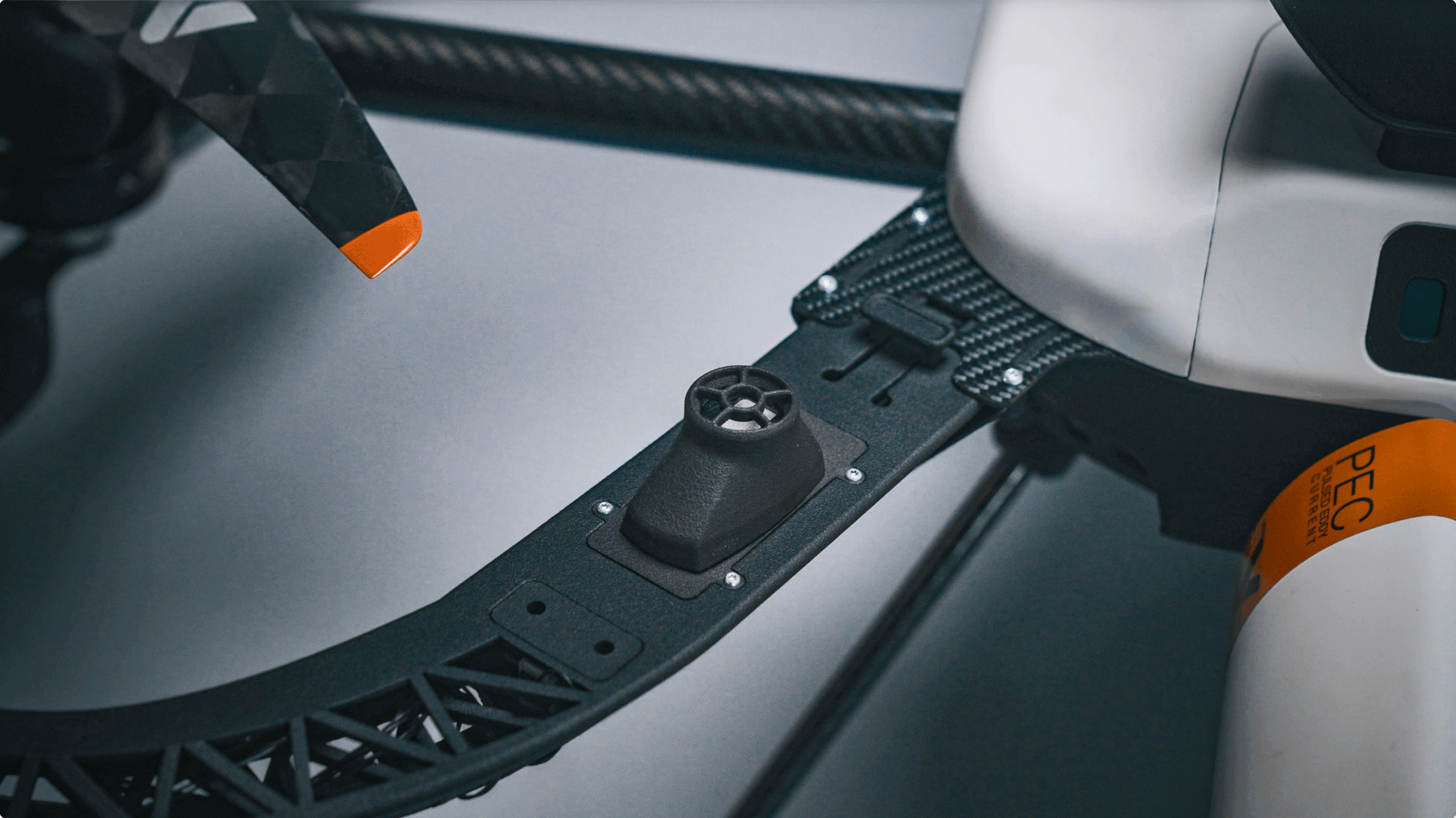
The Voliro T Flammable Gas Sensor provides real-time flammable gas monitoring during robotic NDT inspections. It gives operators %LEL visibility and alerts while the Voliro T is operating near live assets, helping teams maintain atmospheric awareness during contact-based inspection workflows.
Flyability Flammable Gas Sensor
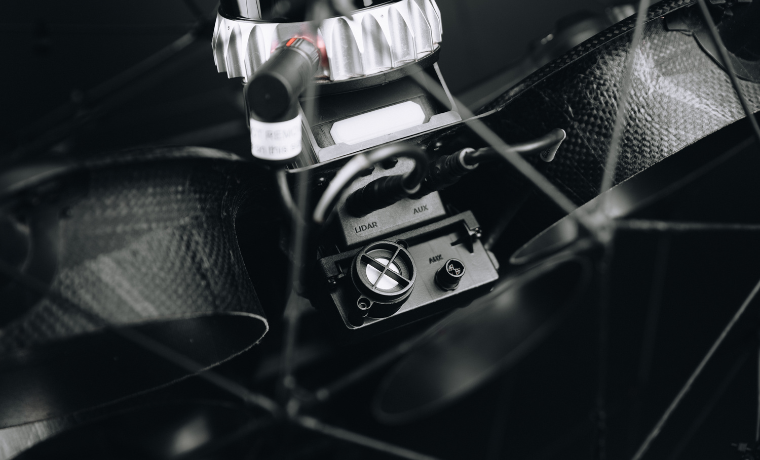
The Flyability Flammable Gas Sensor is a payload for the Elios 3 that provides flammable gas awareness during indoor and confined-space drone operations. It supports remote atmospheric checks in tanks, vessels, tunnels, processing units, and other high-risk environments.
Buy the Flyability Flammable Gas Sensor.
Contact NDT & Interaction Payloads
This category represents one of the most important long-term shifts in industrial drone inspections. Rather than functioning solely as flying cameras or remote sensing platforms, drones are increasingly evolving into robotic interaction systems capable of performing inspection tasks directly on the asset itself.
Here are the top contact NDT and interaction drone payloads on the market:
Flyability Elios 3 UT Payload
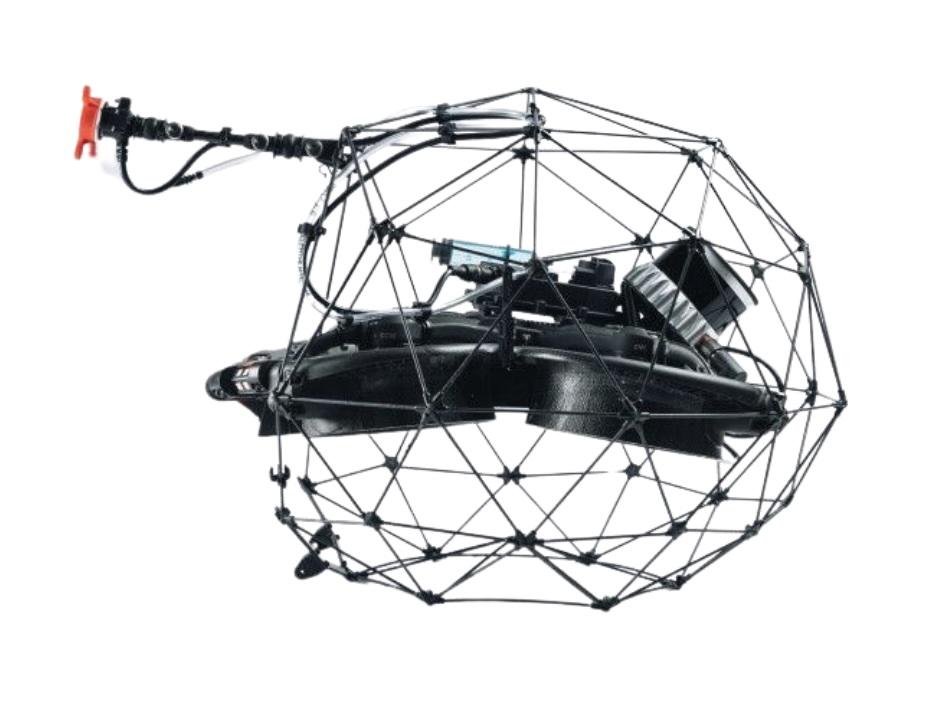
The Flyability Elios 3 UT Payload adds ultrasonic thickness measurement capabilities to Elios 3 inspections. It supports thickness data collection in hard-to-reach or confined-space environments where manual access may be difficult, costly, or hazardous.
Buy the Flyability Elios 3 UT Payload.
Voliro T Interaction Payload Ecosystem
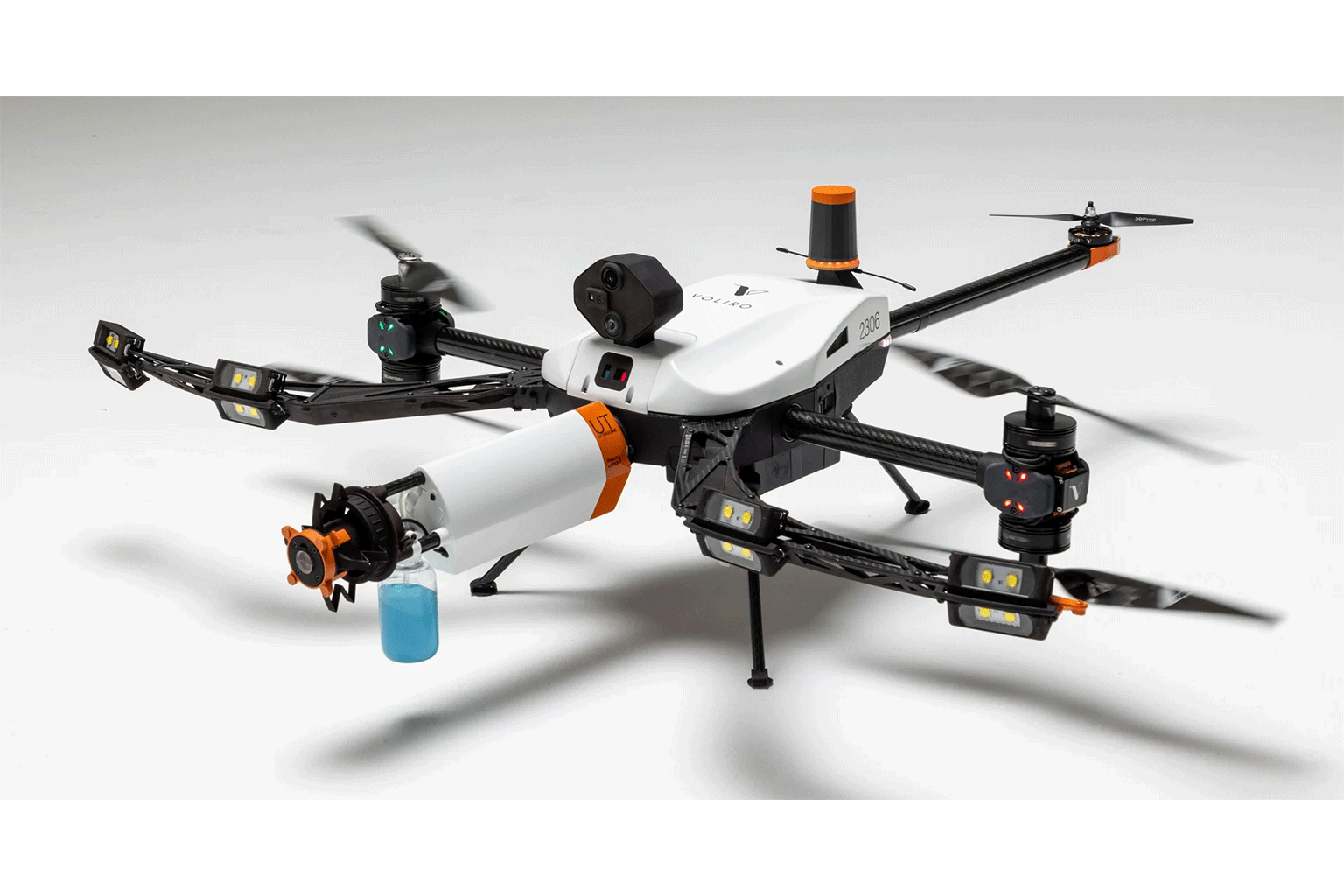
Voliro T Interaction Payload Ecosystem
The Voliro T represents one of the most advanced aerial interaction platforms currently available for industrial inspections. Unlike traditional inspection drones designed primarily for remote observation, the Voliro T is engineered for controlled contact with industrial assets, enabling a growing ecosystem of interaction-based inspection and maintenance workflows.
Voliro also offers one of the broadest drone interaction payload ecosystems currently on the market, including:
- ultrasonic thickness testing (UT)
- dry film thickness measurements
- surface cleaning and preparation payloads
- advanced NDT inspection workflows
- localized surface interaction tasks
- flammable gas and %LEL monitoring payloads
These systems represent one of the clearest examples of how industrial drone payloads are evolving from passive sensing tools into active robotic inspection systems.
Specialized / Operational Support Payloads
Specialized and operational support payloads are designed for inspection workflows that fall outside standard visual, thermal, mapping, or gas detection operations.
Here are the top specialized and operational support drone payloads on the market:
Flyability Elios 3 RAD Payload
The Flyability Elios 3 RAD Payload is a radiation detection payload used to support remote radiation surveys and inspection workflows in hazardous or difficult-to-access environments. It helps teams collect radiation data without immediate human entry into the inspection area.
Buy the Flyability Elios 3 RAD Payload.
CRY2626G UAV Acoustic Imager
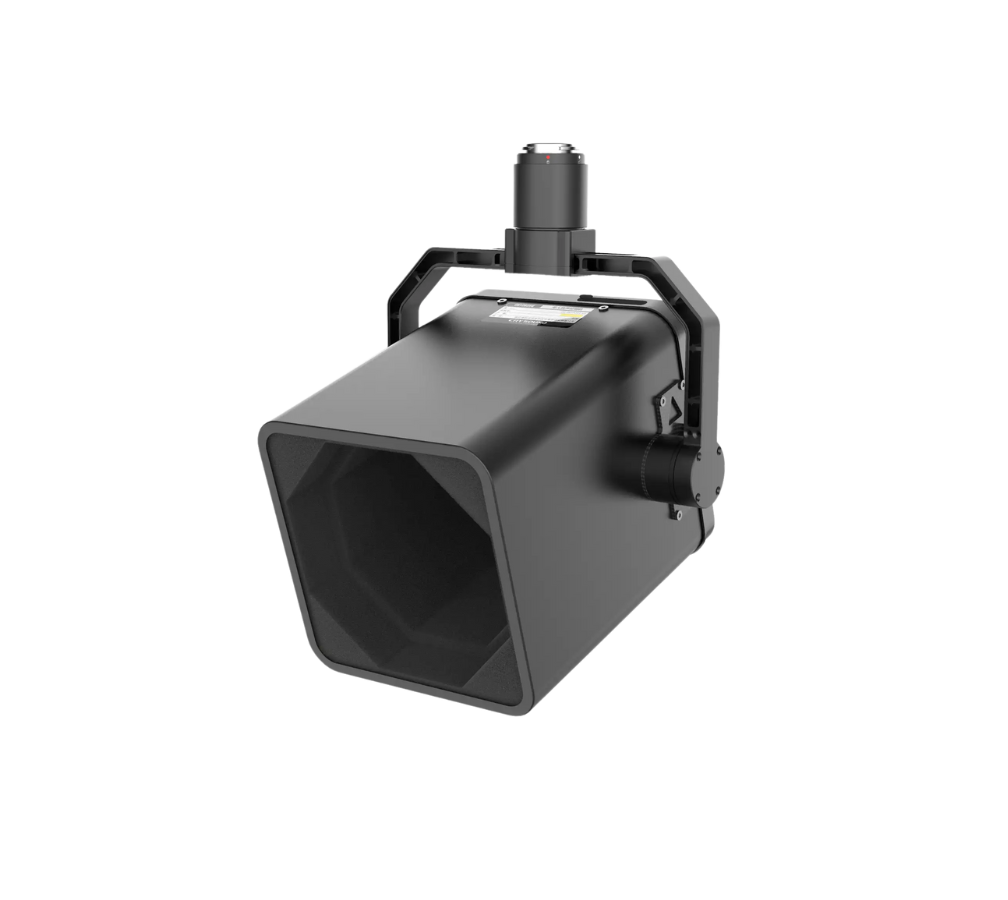
The CRY2626G UAV Acoustic Imager is a drone-mounted acoustic imaging payload used to help locate pressurized system leaks and electrical partial discharge from a distance. It helps teams identify sound-based anomalies without sending personnel close to high-voltage infrastructure, pipelines, compressed air systems, or other hard-to-access assets.
Buy or rent the CRY2626G UAV Acoustic Imager.
DJI Wingsland Z15
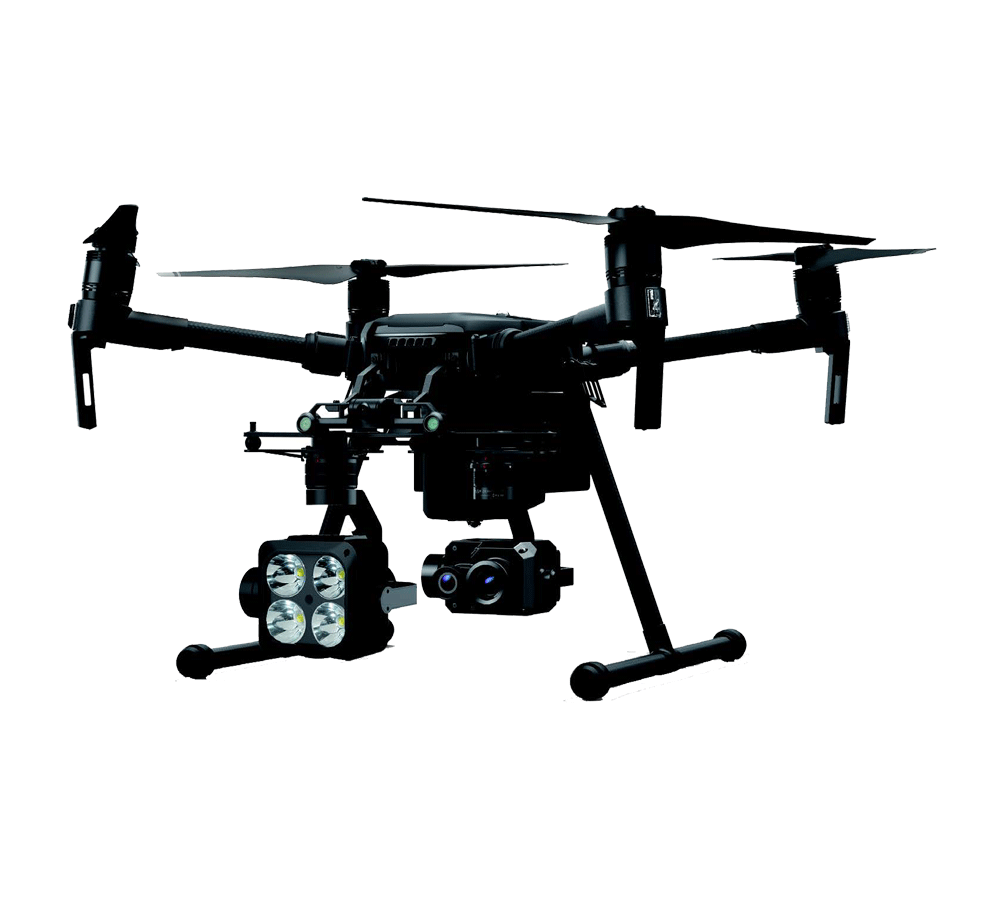
The DJI Wingsland Z15 is a spotlight gimbal payload used to support inspections and operations in low-light conditions. It helps pilots illuminate work areas, support nighttime operations, and improve visibility around infrastructure, emergency scenes, or difficult access points.
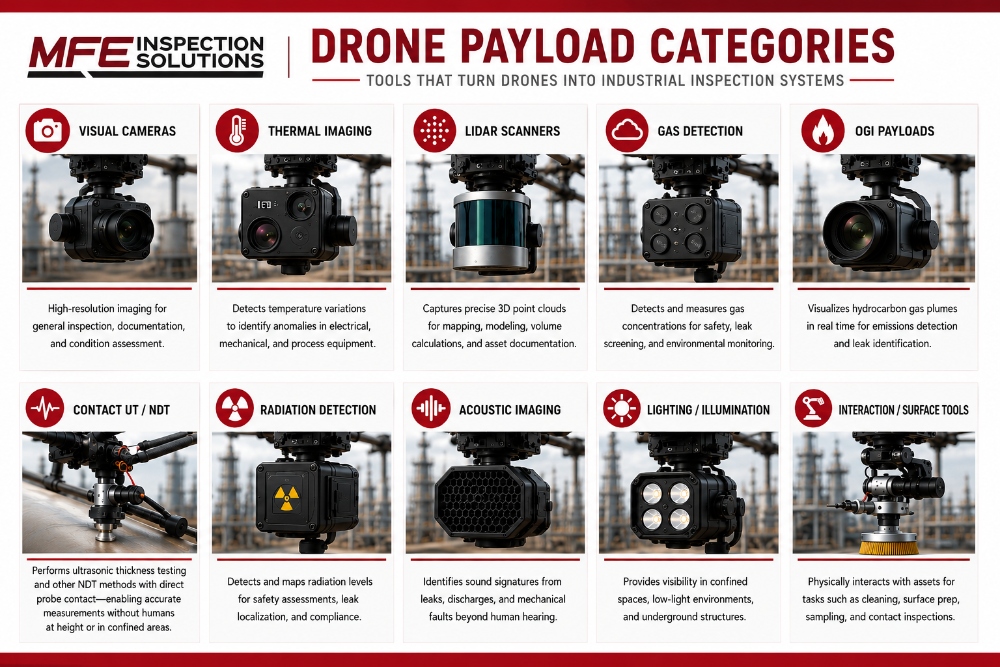
What Is a Drone Payload?
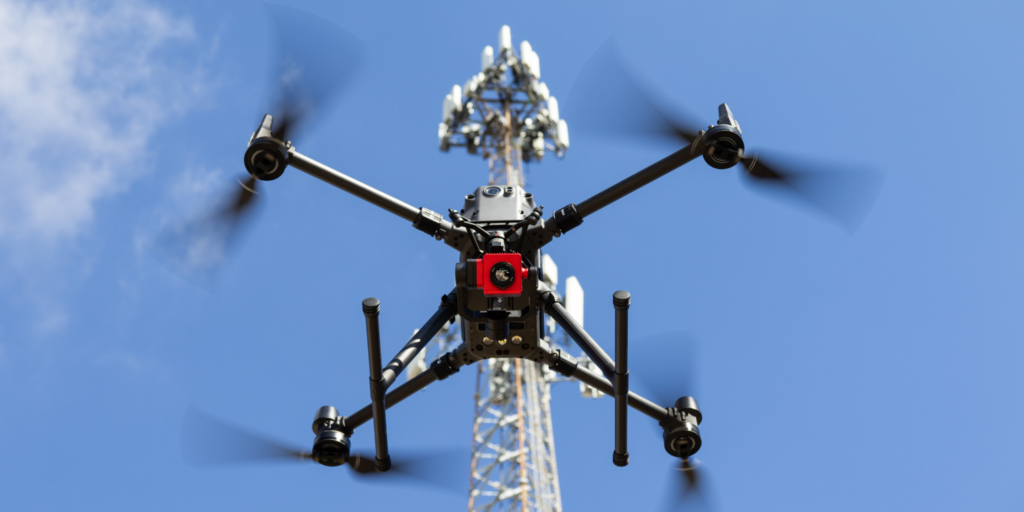
A drone payload is the sensor, camera, tool, or device a drone carries to perform a specific job.
In industrial inspections, the payload is what turns the drone from a flying platform into a useful inspection system. The aircraft provides access and mobility, but the payload determines what the team can see, measure, detect, or do once the drone reaches the asset.
This is why payload selection matters so much.
Two drones may look similar from the outside, but a drone carrying a visual camera, a thermal sensor, a LiDAR scanner, a gas detector, an optical gas imaging camera, or an NDT probe will support very different workflows.
Payloads Determine the Value of the Drone
Drones are essentially flying data collection devices.
Their value increases when they can carry higher-quality payloads, more specialized sensors, and tools that match the inspection problem.
- A basic camera payload can help a team avoid climbing to document visible damage.
- A thermal payload can reveal heat patterns.
- A LiDAR payload can create measurable spatial data.
- A gas detection or OGI payload can provide atmospheric awareness near the flight path.
- A contact-based NDT payload can collect thickness or coating data from areas that would otherwise require manual access.
The operational benefit comes from matching the payload to the decision the inspection team needs to make.
Data-Collection Payloads vs. Interaction Payloads
Most drone payloads collect data.
These include visual cameras, thermal cameras, LiDAR scanners, gas sensors, optical gas imaging payloads, and multispectral sensors. They help inspection teams understand asset condition without putting a person in the same location.
Interaction payloads are different.
They require the drone to physically engage with the asset or the surrounding environment.
Contact-based UT, EMAT, PEC, DFT, and surface-preparation payloads all fall into this more advanced category.
This distinction is becoming increasingly important as enterprise drone platforms evolve.
Manufacturers like Voliro are helping push drone payloads beyond passive sensing and into physical inspection interaction.
Voliro currently offers one of the broadest ecosystems of aerial NDT payloads for industrial inspections, including UT, high-temperature UT, EMAT, PEC, and dry film thickness measurement payloads.
Interaction for Data Collection vs. Surface Cleaning
UT is a useful example of why payload categories need to be handled carefully.
It’s a data-collection method because it produces inspection readings, but it’s also an interaction workflow because the probe must contact the surface and may require couplant or gel application.
That means the aircraft, payload, stabilization system, pilot, and inspection procedure all become part of the same operational workflow.
And newer interaction payloads are expanding the category even further.
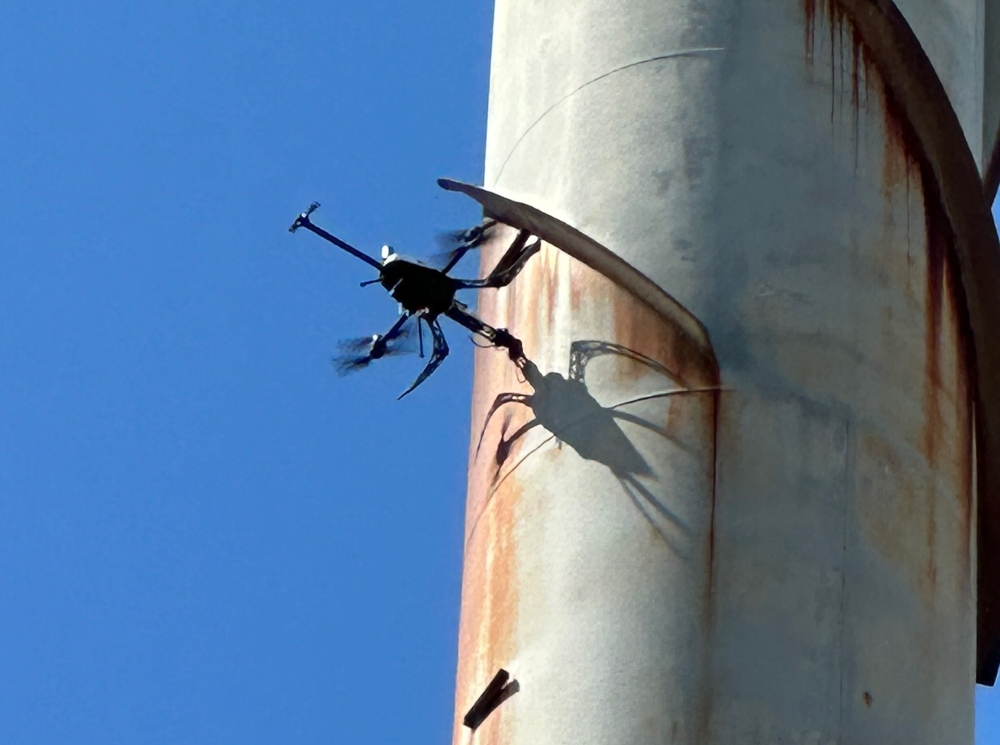
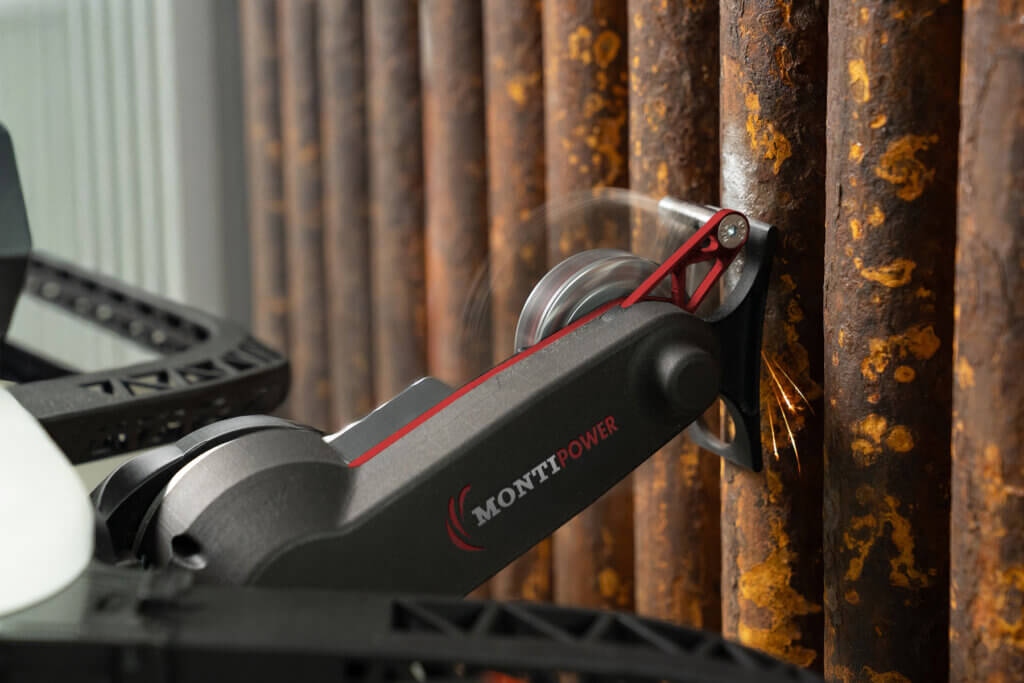
For example, through a partnership with MontiPower, the Voliro T can now carry a payload for surface preparation rather than data collection.
That reflects a broader trend in industrial drone operations: payloads are increasingly being designed not just to observe assets, but to physically interact with them.
Why Payloads Are Advancing So Quickly
The value of industrial drones started with access: drones could reach places that were difficult, expensive, or unsafe for people to access.
The next stage in value is payload capability.
As payloads improve, drones can collect better data, support more specialized inspections, and move closer to workflows that once required direct human access.
This is why the payload landscape is changing so quickly. New payloads are expanding drones into a range of new use cases, going beyond visual and thermal inspection to gas monitoring, LiDAR mapping, contact-based NDT, atmospheric awareness, surface interaction—and more.
For industrial teams, the question is no longer whether a drone can reach the asset.
The more important question is whether the drone can carry the payload needed to produce useful inspection data, support operational decisions, or complete the next step in the workflow.
5 Main Types of Drone Payloads Used in Industrial Inspections
Industrial drone payloads are often grouped by sensor type, but operationally it is usually more useful to group them by the problem they help solve.
Some payloads are designed to collect visual information. Others help teams measure geometry, detect gases, collect NDT data, or understand environmental conditions around an asset. Increasingly, some payloads are designed to physically interact with the asset itself.
Understanding these five categories helps inspection teams choose the right workflow instead of simply choosing the newest sensor.
1. Visual Inspection Payloads
Visual payloads are still the foundation of many industrial drone programs.
These payloads use high-resolution cameras, zoom systems, or multi-sensor imaging systems to capture photos and video of assets from difficult or hazardous access points.
In practice, they’re often used to document corrosion, coating condition, structural damage, leaks, mechanical issues, or general asset condition.
Visual payloads are especially valuable when the inspection question starts with:
- What does the asset look like?
- Is there visible damage or deterioration?
- Do we need a closer follow-up inspection?
Payloads like the DJI Zenmuse H20T and H30 Series are commonly used because they combine zoom capability, stabilization, and multi-sensor awareness into a single inspection workflow.
For many facilities, visual payloads are also the first step toward reducing scaffolding, rope access, lifts, or confined-space entry during routine inspections.
2. Thermal Imaging Payloads
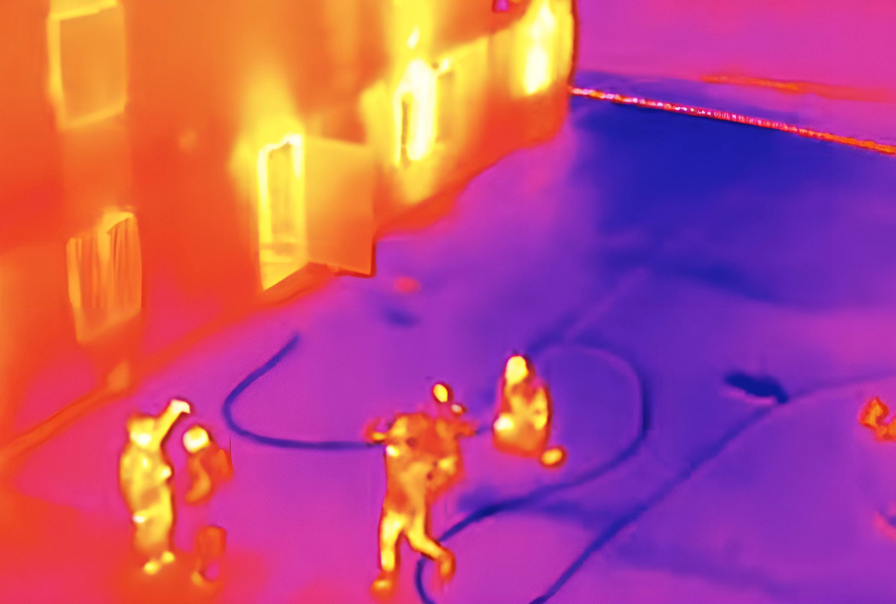
Thermal payloads help teams evaluate temperature differences that may indicate operational or mechanical problems.
Unlike standard visual payloads, thermal systems help operators detect conditions that may not be visible to the naked eye. This can include overheating electrical components, insulation failures, refractory issues, process abnormalities, moisture intrusion, or abnormal heat signatures.
Thermal payloads are especially useful when inspection teams need to understand how an asset is behaving instead of only what it looks like.
In industrial workflows, thermal inspections are often used for:
- Electrical inspections
- Roof inspections
- Process equipment monitoring
- Tank and vessel evaluations
- Flare and refractory assessments
- Energy-loss investigations
Thermal imaging also works well as a screening tool. A drone can rapidly identify anomalous areas that may later require manual inspection or NDT confirmation.
3. LiDAR and Mapping Payloads
LiDAR payloads are designed to collect spatial data instead of only imagery.
These systems use laser pulses to generate measurable point clouds and drone 3D models of terrain, structures, facilities, stockpiles, infrastructure corridors, and other assets. In industrial environments, that spatial context is often just as important as the visual inspection data itself.
LiDAR payloads are commonly used when teams need:
- facility documentation
- topographic mapping
- digital twins
- volumetric measurements
- construction progress tracking
- infrastructure corridor mapping
- repeatable spatial records over time
Payloads like the DJI Zenmuse L1, L2, and L3 show how quickly aerial mapping systems are advancing. As these payloads improve, drones are becoming increasingly capable large-area data acquisition platforms instead of simple camera systems.
4. Gas Detection and OGI Payloads
Gas detection payloads are one of the fastest-evolving categories in industrial drone operations.
These payloads are used for several different types of workflows, and the distinctions between them matter operationally.
Some payloads are designed for optical gas imaging (OGI), which helps teams visualize gas plumes remotely. Others are designed for atmospheric sensing, gas concentration awareness, or %LEL monitoring near the drone.
These are related but different workflows.
OGI payloads are commonly used during emissions inspections and methane screening programs. Their primary role is helping teams identify and visualize potential leak sources across large facilities or difficult-to-access infrastructure.
Gas sensing and %LEL payloads support a different operational goal. Instead of visualizing emissions, they help teams understand atmospheric conditions around the aircraft. This can support:
- confined-space awareness
- hazardous-area assessments
- pre-entry evaluations
- emergency response
- operational decision support
The recent emergence of %LEL payloads from companies like Flyability and Voliro reflects a broader industry trend: drone payloads are increasingly supporting environmental awareness and operational safety workflows in addition to inspections.
That doesn’t mean these payloads replace traditional gas monitoring procedures or intrinsically safe safety systems. But they can help teams collect atmospheric information remotely before personnel move deeper into a potentially hazardous area.
5. NDT Payloads
NDT payloads are among the most important developments in industrial drone technology because they move drones beyond observation and into direct inspection data collection.
Instead of simply documenting visible conditions, these payloads help teams collect measurable inspection data from the asset itself.
This category includes:
- ultrasonic testing (UT)
- high-temperature UT
- EMAT
- pulsed eddy current (PEC)
- dry film thickness (DFT)
These payloads are operationally more difficult than standard imaging systems because many of them require stable contact with the asset surface.
The drone is no longer just carrying a sensor nearby—it’s physically engaging with the structure long enough to collect usable inspection data.
This creates additional workflow requirements involving:
- stabilization
- contact force management
- surface condition
- couplant delivery
- probe positioning
- repeatability
These payloads represent an important shift in the industry—and points toward a future where drone payloads are increasingly more capable of complex interactions with industrial assets.
6. Interaction and Surface-Preparation Payloads
Some newer payloads are designed primarily to interact with the asset rather than collect inspection data.
This is still an emerging category, but it represents one of the clearest examples of where industrial drone payloads are heading.
Voliro’s MontiPower payload is a good example.
Instead of inspecting the surface, it is designed to support aerial surface preparation workflows. That changes the role of the drone from remote observer to active work platform.
Interaction payloads may eventually support workflows involving:
- surface preparation
- light cleaning
- coating preparation
- contact-based measurements
- minor intervention tasks
These systems are still developing, and many workflows remain specialized.
But they point toward a future where drones are increasingly integrated into maintenance and inspection operations instead of serving only as remote imaging systems.
How Drone Payloads Are Used in Different Industries
The same payload can support very different workflows depending on the industry, asset type, and operational environment.
That’s why payload selection should not start with the sensor itself.
It should start with the inspection question the team is trying to answer and the operational constraints surrounding the work.
A thermal payload used during a roof inspection supports a very different workflow than a thermal payload used around flare stacks or electrical infrastructure. And a gas detection payload used for methane screening is solving a different problem than a %LEL payload used to support confined-space awareness.
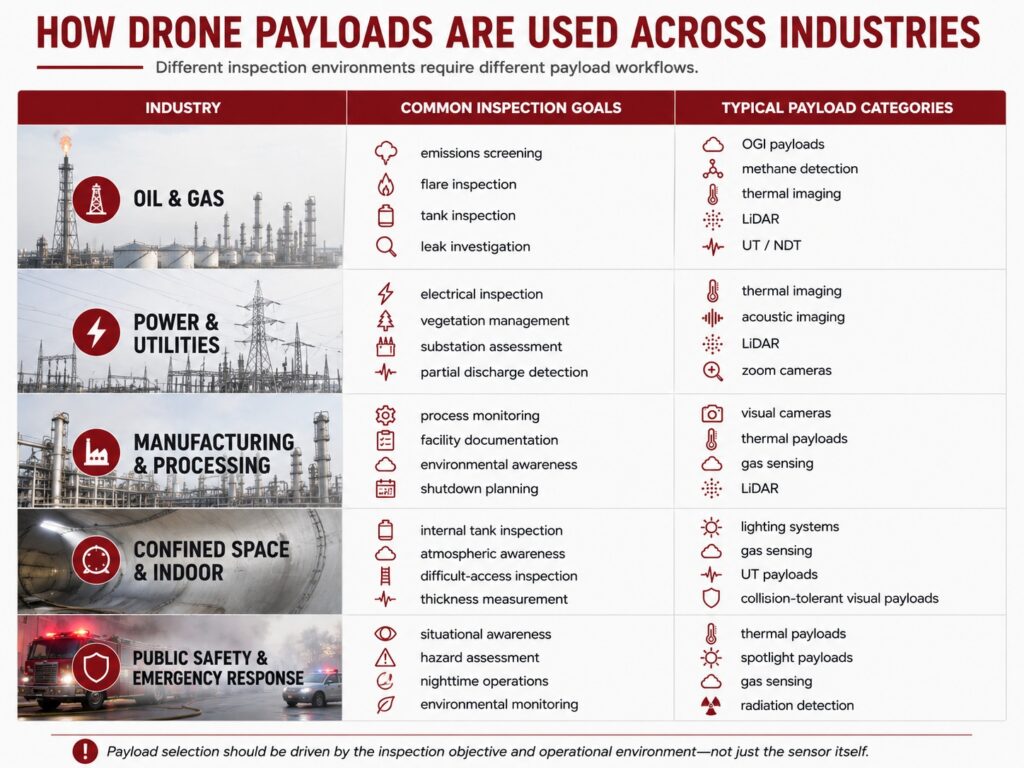
Here’s an overview of how drone payloads are being used across top industries and use cases:
Keep reading for a closer look at each of the categories covered in the graphic above.
Oil and Gas
The oil and gas industry is one of the largest drivers of advanced industrial drone payload adoption.
Facilities are often large, vertically complex, difficult to access, and operationally hazardous. Inspection teams may need to evaluate elevated infrastructure, pipelines, flare systems, tanks, process equipment, and confined spaces while minimizing downtime and personnel exposure.
This creates demand for several drone payload categories at once, including:
- optical gas imaging payloads
- methane detection payloads
- thermal payloads
- LiDAR systems
- visual zoom payloads
- NDT payloads
Drone-based gas detection is especially important in this industry because facilities may require large-area emissions screening, environmental monitoring, or atmospheric awareness workflows.
Payloads like the MFE Detect LW, MFE OGI 640, and newer %LEL-focused systems allow teams to collect information remotely before deciding where manual inspection or follow-up work is needed.
Drone payloads also help reduce reliance on scaffolding, rope access, and lifts for routine inspections. Instead of mobilizing a full access setup immediately, teams can often collect preliminary inspection data remotely and decide whether additional intervention is necessary.
[Related read: Oil and Gas Drone Inspection—Visual to Advanced NDT]
Power and Utilities
Utilities and power-generation facilities often prioritize payloads that help teams inspect energized, elevated, or geographically distributed infrastructure.
This commonly includes:
- thermal payloads
- zoom camera systems
- acoustic imaging payloads
- LiDAR payloads
Thermal payloads can help identify overheating electrical components or abnormal heat signatures.
Acoustic imaging payloads may support inspections involving partial discharge or pressurized system leaks.
And LiDAR payloads can help document transmission corridors, substations, or surrounding vegetation conditions.
In these environments, the value of the payload is often tied directly to access efficiency and risk reduction. A drone can inspect elevated or energized infrastructure without placing personnel directly near the asset during the initial assessment phase.
Manufacturing and Processing Facilities
Manufacturing plants, refineries, chemical facilities, and processing sites often require a combination of inspection, mapping, environmental awareness, and safety-related workflows.
This creates demand for mixed payload ecosystems rather than a single sensor type.
A facility may use:
- visual payloads for routine inspections
- thermal systems for process monitoring
- OGI payloads for emissions screening
- gas sensing payloads for atmospheric awareness
- LiDAR systems for facility documentation
- NDT payloads for targeted inspection work
Payload flexibility becomes especially important in these environments because inspection priorities can change quickly depending on maintenance conditions, shutdown schedules, or operational events.
Confined Space and Indoor Inspections
Indoor and confined-space inspections create a different set of payload requirements than open-air industrial inspections.
GPS limitations, low-light conditions, collision risks, and hazardous atmospheres often change both the aircraft platform and payload selection process.
Payloads commonly used in these workflows include:
- lighting systems
- collision-tolerant visual payloads
- thermal payloads
- radiation detection payloads
- flammable gas sensing payloads
- UT inspection payloads
In confined-space operations, atmospheric awareness can become just as important as visual inspection data. This is one reason newer flammable gas payloads and environmental sensing systems are becoming more common in indoor drone workflows.
Payloads in these environments often support operational decision-making before personnel physically enter the space.
[Related read: Indoor Drone: Top Models for 2026 & More]
Public Safety and Emergency Response
Public safety and emergency response workflows often prioritize payloads that improve situational awareness in rapidly changing environments.
This may include:
- thermal payloads
- spotlight payloads
- gas sensing payloads
- radiation detection payloads
- zoom camera systems
Unlike scheduled industrial inspections, emergency response operations may involve incomplete information, unstable environments, or evolving hazards.
Payloads help teams collect information remotely before committing personnel or equipment deeper into the scene.
How to Choose the Right Drone Payload
Choosing the right drone payload starts with understanding the operational problem—not the sensor specifications.
Many industrial teams initially focus on camera resolution, range, or aircraft features.
But in practice, the payload should be selected based on:
- the type of data the inspection requires
- the environment the drone will operate in
- the decision the collected data needs to support
The most effective drone programs are usually built around workflow requirements first and payload selection second.
These steps can help you identify the right drone payloads for your specific needs:
1. Define the Data You Need
The first question is simple: what information does the team actually need to collect?
A visual payload may be enough for documenting visible corrosion or structural damage. A thermal payload may be needed to identify abnormal heat signatures. A LiDAR system may be required when accurate spatial measurements matter. An OGI payload may support methane screening, while a UT payload may be needed for actual thickness measurements.
The payload should match the inspection objective directly.
2. Consider Compatibility
Not every drone can carry every payload.
Payload compatibility depends on factors such as:
- mounting systems
- power requirements
- data interfaces
- payload weight
- stabilization requirements
- flight controller integration
This becomes especially important with advanced payloads like LiDAR systems, gas detection payloads, or contact-based NDT tools.
Interaction payloads are particularly demanding because the aircraft must often maintain stable positioning while physically engaging with the asset. In these workflows, payload selection and aircraft selection are tightly connected.
3. Evaluate Environmental and Operational Constraints
The inspection environment often determines whether a payload is practical long before image quality or sensor specifications become the deciding factor.
Industrial inspections may involve:
- wind
- dust
- heat
- confined spaces
- GPS-denied environments
- elevated structures
- hazardous atmospheres
- electromagnetic interference
Each of these conditions affects payload performance differently.
A payload that performs well during open-area mapping may not work effectively inside a tank or processing unit.
And a contact-based NDT payload introduces very different stabilization and positioning requirements than a visual camera payload operating from a safe standoff distance.
This is why payload selection should always be tied to the real inspection environment instead of evaluated only from a product specification sheet.
4. Understand Payload Weight and Flight-Time Tradeoffs
Payload capability almost always comes with operational tradeoffs.
As payloads become heavier or more complex, they may reduce:
- flight time
- maneuverability
- battery efficiency
- aircraft endurance
- payload combinations
This is especially important with LiDAR systems, gas sensing arrays, interaction payloads, and NDT tools, which can place significantly higher demands on the aircraft platform.
In many industrial workflows, the most capable payload is not automatically the best payload.
A lighter or simpler system may produce better operational results if it allows the team to inspect more assets efficiently or safely within the available flight window.
5. Think About Workflow Integration
A payload is only useful if the data it collects can be integrated into your inspection workflow.
This is an area where many industrial drone programs struggle. Teams often focus too much on data collection without fully planning for:
- data processing and review
- reporting
- storage
- inspection validation
- maintenance integration
- follow-up inspection decisions
The operational value of a payload depends on whether the resulting information helps the organization make faster, safer, or more informed decisions.
For example:
- an OGI payload may help prioritize emissions follow-up work
- a thermal payload may identify equipment requiring manual inspection
- a LiDAR payload may improve facility documentation
- a UT payload may provide thickness data needed for integrity assessments
The payload itself is only one part of the larger inspection system.
6. Plan for Future Payload Flexibility
The drone payload landscape is evolving quickly.
Many organizations initially purchase a drone for a single workflow, then later expand into additional payload categories as the program matures.
A team may begin with visual inspections, then later add thermal imaging, LiDAR mapping, gas detection, or NDT capabilities.
This is one reason enterprise drone programs increasingly prioritize drone ecosystems that support interchangeable payloads and future expansion.
The long-term value of the drone may depend less on the aircraft itself and more on the range of payloads the platform can support over time.
This trend is especially important in industrial inspections because payload innovation is currently advancing faster than platform innovation in many areas.
The major operational improvements are increasingly coming from:
- better sensors
- more capable gas detection systems
- advanced LiDAR platforms
- interaction-based inspection payloads
- contact-based NDT systems
- surface-interaction tools
4 Key Drone Payload Limitations
Drone payloads can significantly improve inspection access, data collection, and operational awareness.
But they also introduce limitations that inspection teams need to understand.
Understanding these limitations helps teams design more realistic drone programs and avoid treating drone payloads as a universal replacement for traditional inspection methods. (They’re not.)
Here are the four main limitations to keep in mind:
1. Payloads Do Not Replace Inspection Expertise
A drone payload can collect data, but it doesn’t automatically interpret the results correctly.
This distinction is especially important in industrial inspections.
The payload improves access to information, but trained personnel are still responsible for evaluating what that information means and deciding what action should follow.
This is one reason the strongest industrial drone programs usually involve collaboration between:
- drone operators
- inspectors
- NDT personnel
- reliability teams
- asset integrity specialists
[Related white paper: Beyond the Pilot’s License: Closing the Competency Gap in Drone-Based Industrial Inspection]
2. Remote Data Collection Has Limits
Drone payloads can reduce the need for manual access, but they do not eliminate it completely.
In many workflows, drones are most valuable during:
- screening
- preliminary assessment
- large-area data collection
- hazard reduction
- inspection prioritization
Manual follow-up inspections may still be necessary for confirmation, repair work, detailed NDT, or regulatory compliance.
For example, an OGI payload may help identify a potential emissions source, but a separate follow-up process may still be needed to quantify the leak, verify the condition, or perform repairs.
Likewise, thermal anomalies identified during an aerial inspection may still require direct physical inspection to determine root cause.
3. Interaction Payloads Create Additional Complexity
Payloads that physically interact with the asset are significantly more demanding than passive imaging systems.
Contact-based NDT workflows require:
- precise positioning
- stabilization
- surface interaction control
- repeatable probe contact
- workflow validation
These systems are advancing quickly, but they remain operationally more complex than traditional aerial imaging payloads.
Despite the complexity, interaction payloads are helping push industrial drones into workflows that once required direct human access at height or inside hazardous environments.
But organizations evaluating these systems should understand that interaction-based payloads typically require more planning, training, integration, and workflow development than standard camera payloads.
4. Regulatory and Safety Requirements Still Apply
Payload capability does not remove operational safety responsibilities.
Gas detection payloads don’t automatically replace intrinsically safe equipment requirements. And drone inspections don’t eliminate confined-space procedures.
Rather, payloads should be viewed as tools that help organizations collect information more safely, efficiently, or effectively within the larger operational and regulatory framework.
This is especially important as drone payloads become more advanced. The technology is evolving quickly, but industrial inspection workflows still require careful operational planning and responsible implementation.
Drone Payloads FAQ
Here are answers to some of the most commonly asked questions about drone payloads.
What is a drone payload?
A drone payload is the sensor, camera, tool, or device attached to a drone to perform a specific task.
In industrial inspections, payloads may include thermal cameras, LiDAR systems, gas detection sensors, optical gas imaging cameras, ultrasonic testing probes, radiation sensors, or other specialized inspection tools.
What payloads can industrial drones carry?
Industrial drones can carry a wide range of payloads depending on the aircraft platform and workflow requirements.
Common payload categories include visual cameras, thermal imaging systems, LiDAR scanners, gas detection payloads, OGI payloads, radiation sensors, spotlight systems, and contact-based NDT tools such as UT and PEC payloads.
What is the difference between a drone payload and payload capacity?
A drone payload is the device or sensor the drone carries. Payload capacity refers to how much weight the drone can safely carry during flight.
For example, a LiDAR system or gas detection payload is a drone payload. The aircraft’s payload capacity determines whether the drone can safely support that payload’s weight, power requirements, and operational demands.
Can drones carry gas detection sensors?
Yes. Industrial drones can carry several types of gas detection payloads, including optical gas imaging systems, methane detection payloads, atmospheric sensing payloads, and %LEL monitoring systems.
These payloads are used in workflows involving emissions inspections, hazardous-area awareness, confined-space evaluations, and environmental monitoring.
Can drones perform ultrasonic testing?
Some advanced industrial drone systems can support ultrasonic testing using specialized UT payloads.
These payloads require the drone to physically interact with the asset surface long enough to collect thickness measurements. Many workflows also require couplant or gel application to support reliable readings.
What is an interaction payload?
An interaction payload is a drone payload designed to physically engage with the asset instead of only collecting remote data.
Examples include contact-based UT payloads, surface-preparation tools, and certain NDT systems that require physical contact with the inspection surface.
This category is still evolving, but it represents an important shift in industrial drone operations toward more advanced aerial inspection and maintenance workflows.
Which industries use drone payloads most heavily?
Drone payloads are widely used in industries such as oil and gas, utilities, power generation, manufacturing, chemical processing, mining, public safety, environmental monitoring, and infrastructure inspections.
The specific payloads used depend on the inspection goals, operating environment, safety requirements, and type of data the organization needs to collect.