
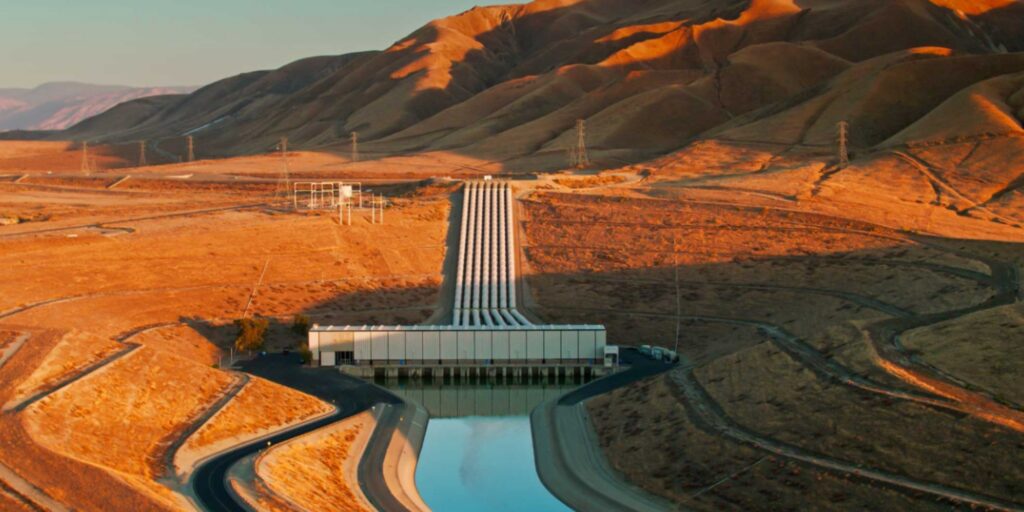
California Aqueduct and water-conveyance infrastructure (hero version)

Industrial Inspection Equipment Sales and Rentals in Dripping Springs and Austin

MFE Inspection Solutions is headquartered in Dripping Springs, serving inspection teams throughout Austin and Central Texas.

Semiconductor and electronics manufacturing facilities, industrial plants, storage tanks, water and utility systems, transportation infrastructure, and other critical assets require dependable inspection equipment—and MFE is here to help.

Our Dripping Springs headquarters is also home to MFE Enterprises, which manufactures magnetic flux leakage equipment and conducts specialized MFL training for tank-floor inspection. 

MFE Inspection Solutions Headquarters 150 Holder Lane Dripping Springs, TX 78620 (281) 441-8284
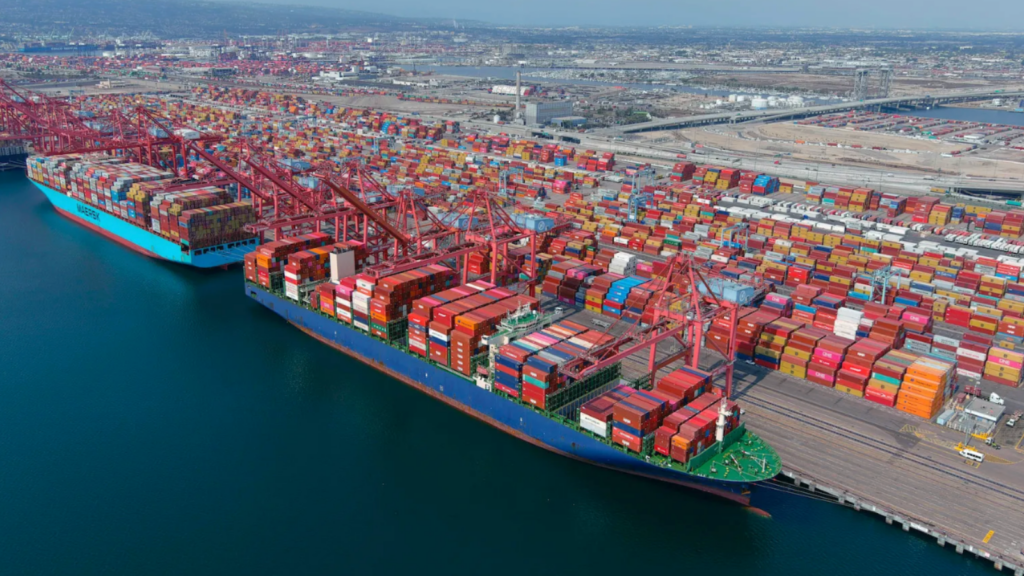
Container ships and cranes at the Port of Long Beach in California
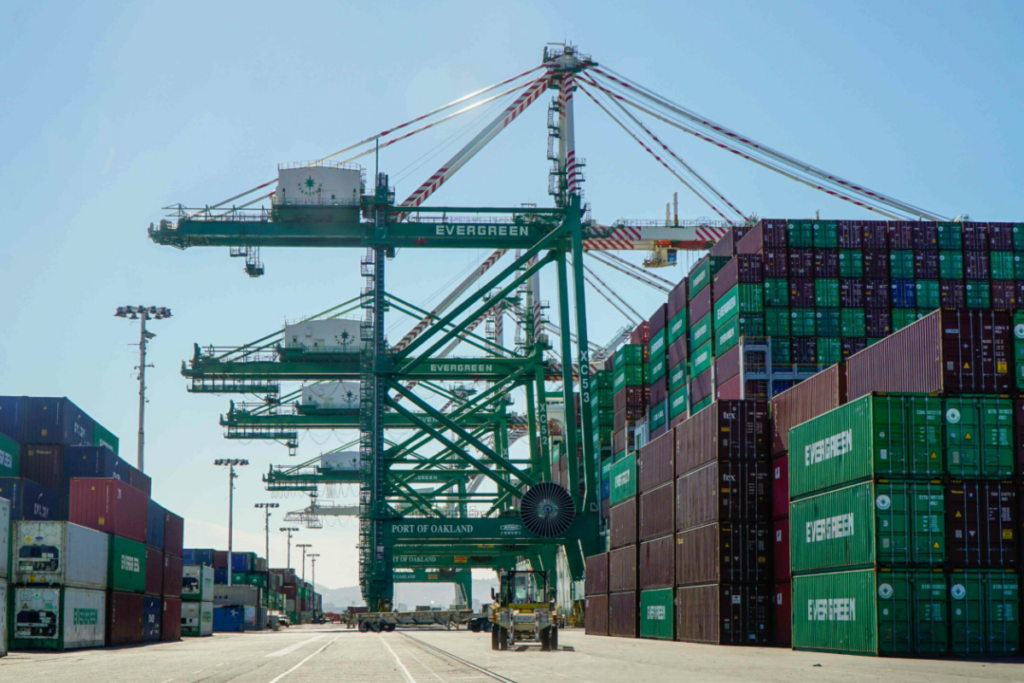
Port of Oakland cargo terminal in Northern California

How to Buy or Rent Inspection Equipment in Dripping Springs and Austin

The right inspection technology depends on more than the industry or type of facility. Material, asset configuration, access restrictions, operating conditions, inspection objectives, required data, project duration, and team experience can all affect which equipment makes sense. MFE starts with the work your team needs to accomplish, then helps you evaluate appropriate options.

Tell Us About Your Inspection

Begin with the asset and the question your inspection needs to answer. Tell MFE what you are inspecting, what conditions your team expects, what type of data you need, and when the equipment will be used. Details such as limited internal access, elevated structures, active operations, hazardous environments, low visibility, remote assets, or the need to minimize disruption can help narrow the available options. You do not need to arrive with a specific product or inspection method already selected.

Evaluate Equipment Options

MFE can help you compare inspection technologies based on the application, asset, operating environment, and required results. Depending on the work, that evaluation may include NDT instruments, remote visual inspection cameras, tank-floor scanners, positive material identification analyzers, thermal imaging systems, environmental monitoring equipment, drones, crawlers, robotic platforms, or other specialized technologies. The objective is to identify equipment that fits the inspection—not simply to choose a product from a catalog.

Buy or Rent Based on Your Project

Purchasing may make sense when equipment will become part of an ongoing inspection, maintenance, quality-control, or asset-integrity program. Rental can provide access to specialized technology for a defined project, temporary increase in workload, equipment evaluation, or short-term requirement. It may also help a team address an inspection need without immediately committing to a permanent equipment purchase. MFE offers both sales and rental options, allowing Central Texas teams to choose a path based on project duration, anticipated use, internal capability, and available budget. Equipment availability, rental configurations, and fulfillment arrangements vary. Contact MFE with your application and project dates so the team can confirm appropriate options, timing, and next steps.

Inspection Equipment for Central Texas’s Industrial Inspection Challenges
Central Texas combines semiconductor and electronics manufacturing, advanced production facilities, water and utility systems, transportation infrastructure, aerospace and aviation activity, and other industrial environments. Inspection requirements can change considerably across these settings. Technology used to verify the material in a manufactured component may serve a different purpose from equipment used inside machinery, across a storage-tank floor, within a water system, or around an elevated structure.

Semiconductor, Electronics, and Advanced Manufacturing
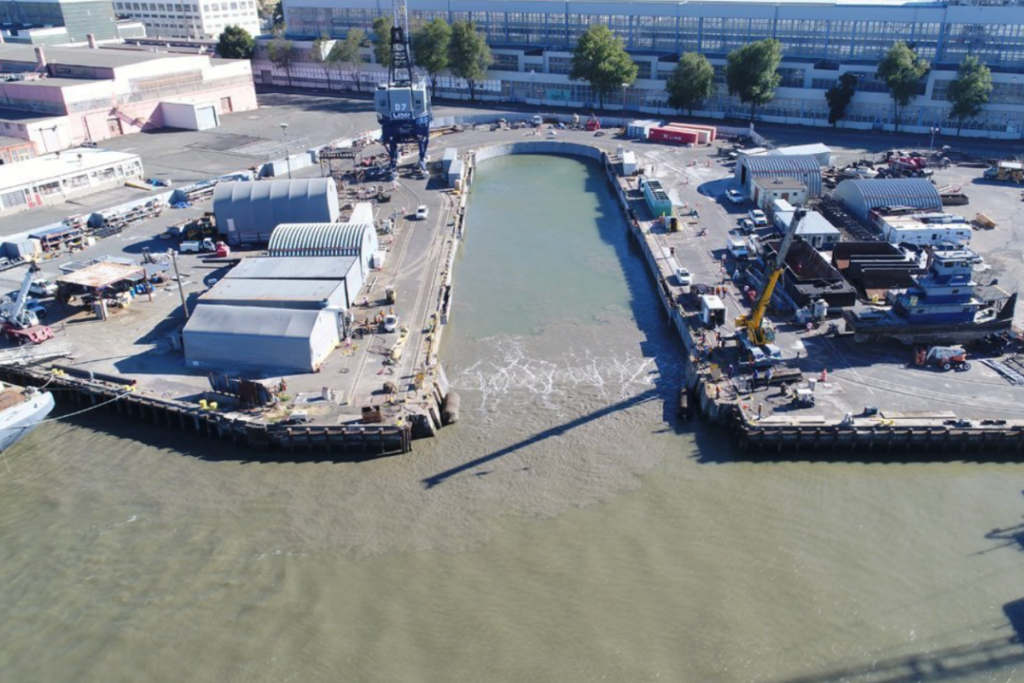
Austin and the surrounding Central Texas region contain a substantial concentration of semiconductor, electronics, and advanced-manufacturing activity. Inspection teams in these environments may work with production machinery, fabricated assemblies, welds, piping, electrical systems, utility infrastructure, and precision components. Applications can include material verification, thickness measurement, weld examination, thermal inspection, internal visual examination, and documentation for manufacturing quality-control programs. Depending on the asset and required data, relevant equipment may include ultrasonic instruments, eddy-current systems, remote visual inspection cameras, thermal imagers, elemental analyzers, or other NDT technologies. The appropriate method depends on the material, component geometry, inspection objective, access conditions, and applicable quality requirements. A broad screening method may not provide the same information as a detailed examination of a particular component or suspected indication.
Manufacturing and fabrication equipment in the Atlanta area

Water, Wastewater, and Utility Infrastructure

Population growth and industrial activity across Central Texas depend on extensive water, wastewater, electrical, and utility infrastructure. Inspection work may involve pipes, tanks, pumps, valves, treatment equipment, electrical components, conveyance systems, and machinery located underground, underwater, inside enclosures, or across large facilities. Corrosion assessment, leak investigation, thickness measurement, thermal inspection, internal visual examination, and documentation of difficult-to-access assets may require different combinations of equipment. NDT instruments, remote cameras, thermal imagers, environmental monitoring equipment, drones, crawlers, and other robotic systems may support different parts of this work. Equipment selection should account for the asset, environment, access limitations, required data, and whether the system can be taken out of service.
[Visible water or wastewater asset] at [confirmed facility/location] in California

Transportation, Bridges, and Public Infrastructure

Central Texas inspection teams also work around bridges, drainage systems, roads, public buildings, transportation facilities, and other municipal or institutional infrastructure. These assets can include structural members, concrete surfaces, enclosed spaces, culverts, elevated components, electrical systems, mechanical equipment, and areas that are difficult to reach using conventional access methods. Inspection objectives may include documenting visible conditions, examining welds or metal components, measuring material thickness, identifying thermal anomalies, or collecting visual and spatial data for later review. Depending on the application, teams may evaluate NDT equipment, remote visual systems, thermal cameras, drones, robotic platforms, or 3D data-capture technologies. Site access, public safety, environmental exposure, traffic, required resolution, and operating restrictions should all be considered when selecting equipment.
[Visible energy infrastructure] in [confirmed California location]

Aerospace, Aviation, and Industrial Manufacturing

The wider Central and South-Central Texas region includes aerospace, aviation-maintenance, defense-related, and industrial-manufacturing activity, particularly toward San Antonio. Inspection teams may need to examine aircraft components, engines, fabricated structures, machinery, welds, fasteners, electrical systems, and internal areas that cannot be viewed directly. Relevant applications can include remote visual examination, material verification, flaw detection, thickness measurement, thermal inspection, and manufacturing quality control. Equipment choice should be based on the component, material, access requirements, required sensitivity, inspection procedure, and operator qualifications. The presence of aerospace or military activity in the region does not imply that a particular manufacturer, installation, or government organization is an MFE customer.
[Aircraft, testing facility, or aerospace equipment] at [confirmed California facility]

Storage Tanks, Process Equipment, and MFL Applications

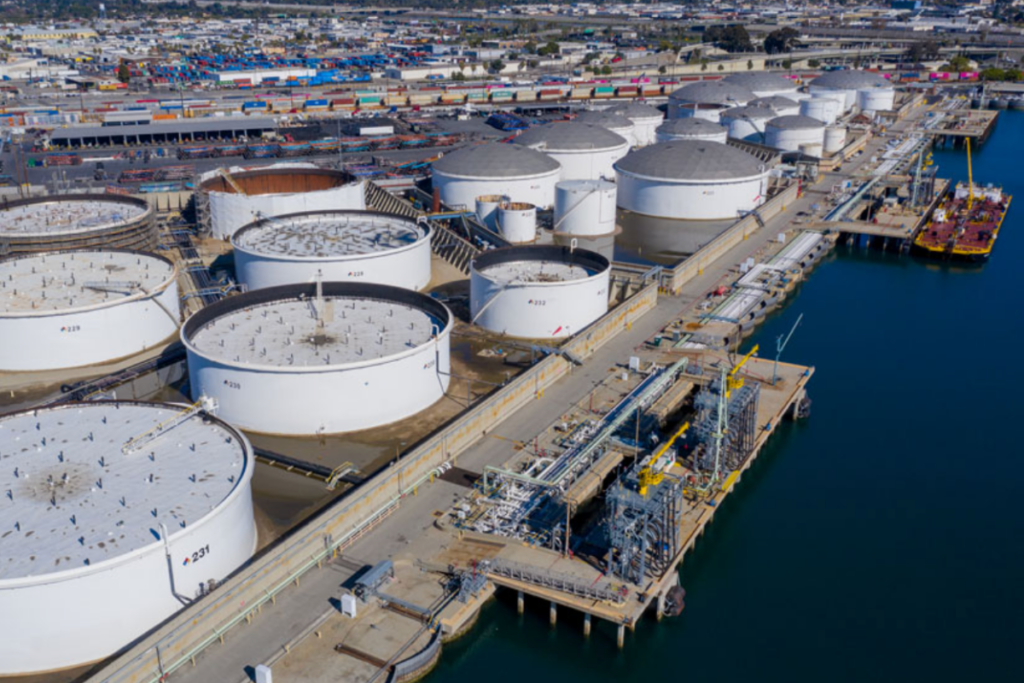
Storage tanks, process equipment, piping, and supporting infrastructure appear across manufacturing, utility, terminal, and industrial environments in Central Texas. Inspection work may include tank-floor screening, corrosion assessment, shell or roof examination, thickness measurement, material verification, and remote visual inspection of internal components. MFE offers equipment for multiple parts of this work, including NDT instruments, remote visual systems, robotic technologies, and magnetic flux leakage equipment for tank-floor inspection. MFL screening and other NDT methods serve different purposes. Equipment and inspection procedures should be selected according to the tank, material, inspection objective, applicable requirements, and qualifications of the personnel performing the work.

Need Help Choosing the Right Inspection Equipment?

You don’t need to know exactly which equipment you need before contacting MFE. 

Whether you’re planning a scheduled inspection, preparing for a turnaround, or responding to an unexpected issue, MFE can help you evaluate equipment based on your specific application in Central Texas. From equipment selection to sales and rentals, our team can help you determine the right solution for your project.

Serving Inspection Teams Across Dripping Springs, Austin, and Central Texas

Central Texas includes distinct industrial markets extending from the Hill Country through Greater Austin and south along the I-35 corridor. Manufacturing facilities, technology operations, utilities, water systems, transportation networks, public infrastructure, storage assets, and aviation facilities create different inspection requirements across the region. MFE Inspection Solutions serves as a point of contact for Central Texas buyers from its headquarters at 150 Holder Lane in Dripping Springs.

Dripping Springs and Western Hays County

[Visible industrial asset] in [confirmed Northern California location]

Dripping Springs sits west of Austin along the US 290 corridor and is home to the headquarters of MFE Inspection Solutions. Inspection work in Dripping Springs and western Hays County may involve water and wastewater systems, utility infrastructure, commercial and municipal facilities, tanks, piping, structural assets, machinery, and equipment supporting continued development across the area. These applications may require thickness measurement, remote visual examination, thermal inspection, material verification, environmental monitoring, or visual data collection in areas that are difficult to access. The headquarters is also home to MFE Enterprises’ MFL equipment and specialized training operations, giving the Dripping Springs location a distinct role within MFE’s broader organization.

Austin and the Advanced-Manufacturing Corridor
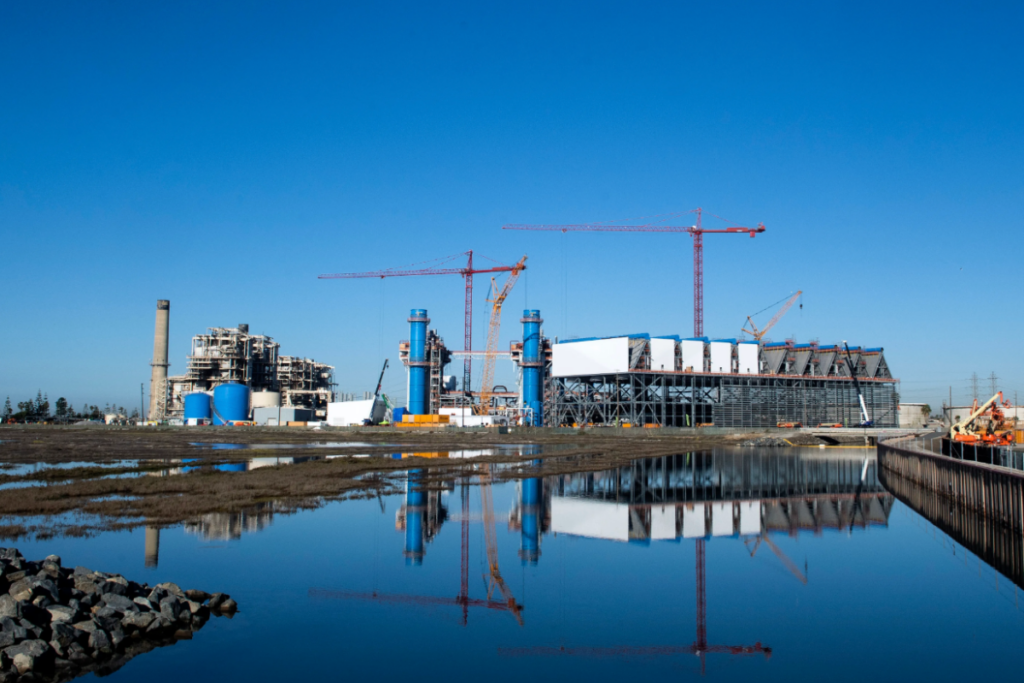
Fred Hartman Bridge over the Houston Ship Channel between Baytown and La Porte
Greater Austin contains a major concentration of semiconductor, electronics, technology, and advanced-manufacturing activity, along with the utilities, water systems, transportation networks, and public infrastructure needed to support the region. Inspection teams may work with production machinery, fabricated components, piping, welds, tanks, electrical systems, treatment infrastructure, bridges, drainage systems, buildings, and other municipal or industrial assets. A manufacturing quality-control application may call for material analysis or NDT equipment, while an internal machinery examination, elevated structural inspection, or infrastructure assessment may require remote visual, aerial, thermal, or robotic data collection. MFE’s Dripping Springs headquarters gives Austin-area buyers a nearby point of contact for discussing equipment sales, rentals, MFL technology, and application requirements. Specific product availability and fulfillment arrangements should be confirmed directly with MFE.

San Marcos, New Braunfels, and the I-35 Corridor

[Visible infrastructure] in California’s Central Valley
South of Austin, the I-35 corridor includes growing manufacturing, logistics, utility, water, transportation, and public-infrastructure systems. Inspection requirements may involve machinery, fabricated components, welds, piping, storage assets, electrical equipment, bridges, drainage systems, treatment facilities, or structures distributed across large operating sites. Portable NDT instruments, remote visual systems, thermal cameras, environmental monitoring equipment, drones, and robotic technologies may support different parts of this work. Equipment selection should be based on the asset, inspection objective, operating conditions, required data, and project workflow rather than the location or industry label alone.

San Antonio and South-Central Texas

[Visible infrastructure] in California’s Central Valley
San Antonio adds aerospace maintenance, aviation, manufacturing, utilities, transportation systems, and a diverse industrial base to the wider Central Texas market. Inspection teams may need to examine aircraft or machinery components, fabricated structures, welds, pipelines, water infrastructure, electrical systems, municipal assets, and internal areas that cannot be viewed directly. These applications can require different inspection approaches. Material verification or flaw detection may call for NDT instruments, while internal component examination, elevated structural inspection, or infrastructure documentation may be better suited to remote visual, thermal, aerial, or robotic technologies. Organizations in San Antonio and the surrounding area can contact MFE to discuss equipment sales, rentals, and application requirements. Availability, shipping, pickup, travel, and other project arrangements should be confirmed directly with MFE.

Why Central Texas Inspection Teams Work With MFE

Central Texas buyers may need more than a list of available instruments. They may need help comparing technologies, deciding whether to buy or rent, or identifying equipment that fits a particular asset, inspection objective, and operating environment. MFE brings these decisions together through an application-driven approach, a broad range of inspection technologies, and a corporate headquarters located near Austin in Dripping Springs.

Application-Driven Recommendations

MFE begins with the inspection rather than expecting buyers to select equipment based only on specifications or product categories. Information about the asset, material, inspection objective, environment, access limitations, required data, timeline, and team experience can help narrow the available options. This approach is especially useful when several technologies appear capable of addressing the same general problem but differ in access requirements, sensitivity, workflow, portability, operator demands, or the type of data they produce.

Sales and Rental Solutions

MFE offers industrial inspection equipment for both purchase and rental. Purchase may be appropriate for technology that will become part of an ongoing inspection, manufacturing quality-control, maintenance, or asset-integrity program. Rental can support a defined project, temporary increase in workload, equipment evaluation, or specialized requirement. Availability, configurations, accessories, rental periods, and scheduling vary. Contact MFE with the project requirements so the team can determine which options are available. The Dripping Springs headquarters should not be interpreted as a guarantee that every product or rental configuration is continuously stocked there. Pickup, shipping, return, and other fulfillment arrangements should be confirmed directly with MFE.

MFE Headquarters and Specialized MFL Expertise

MFE Inspection Solutions’ Dripping Springs location serves as the company’s corporate headquarters and is also home to affiliated MFE Enterprises. MFE Enterprises develops and manufactures magnetic flux leakage equipment for tank-floor inspection. It also conducts specialized MFL training at the Dripping Springs headquarters. The 40-hour course combines classroom instruction, shop training and demonstrations, and practical work with tank-bottom samples. This gives the headquarters a distinct connection to MFL equipment, tank inspection, and hands-on education. This specialized role should not be confused with the broader in-person training and NDT repair and calibration capabilities associated with MFE’s larger Pasadena facility.

Inspection Technologies for Different Applications

MFE provides technologies across nondestructive testing, remote visual inspection, environmental monitoring, material analysis, thermal imaging, tank inspection, and unmanned and robotic systems. Depending on the application, available options may include NDT instruments, remote visual inspection cameras and videoscopes, tank-floor scanners, positive material identification analyzers, thermal and optical gas-imaging systems, environmental and gas-detection equipment, industrial drones, crawlers, and ground robots. The appropriate technology depends on the asset, inspection objective, access conditions, operating environment, required data, and project workflow. A conversation about the work is usually more useful than beginning with a predetermined product.

Dripping Springs and Austin Inspection Equipment FAQs

Have questions about inspection equipment sales, rentals, availability, or choosing the right technology for Central Texas inspection work?

The answers below address the questions we get most often from our customers throughout the state of Texas.

Yes. Austin and the surrounding Central Texas market are served through MFE’s Dripping Springs headquarters. Austin-area teams can contact MFE to discuss inspection-equipment sales, rentals, application requirements, and available technologies. Product availability, rental configurations, pickup, shipping, and other fulfillment arrangements should be confirmed for each request.
Yes. You do not need to know the exact instrument or product before contacting MFE. Tell the team what you are inspecting, what you need to learn, what access or operating conditions you expect, what type of data you need, and when the equipment will be used. MFE can use that information to help you compare appropriate sales or rental options.
MFE provides repair and calibration services through its broader organization, but the available public information does not establish Dripping Springs as a general NDT repair and calibration center. MFE’s Pasadena facility is specifically associated with NDT repair and calibration services. Contact MFE before sending or bringing equipment to any location so the team can confirm the correct process and destination. MFE Enterprises maintains a separate evaluation and repair process for applicable MFE Enterprises equipment.
No. Begin with the asset, material, inspection objective, operating environment, access limitations, required data, project dates, and team experience. MFE can use that information to help narrow the available sales or rental options.