
Industrial Inspection Equipment Sales and Rentals in the Chicago Area
tbd
How to Buy or Rent Inspection Equipment in California
Choosing inspection equipment starts with the work—not a product category. MFE helps California inspection teams connect the asset, inspection objective, access conditions, and project timeline to appropriate equipment options.
Tell Us About Your Inspection
Start by telling us what you need to inspect and what your goals are for the inspection. Useful details may include the asset or component, inspection method, required data, access limitations, operating environment, and project schedule.
If you already know the equipment you need, include the product or technology in your request. If you don’t, describe the inspection challenge and any site conditions that could affect equipment selection.
Evaluate Equipment Options
Our goal is to help you find equipment that fits your specific inspection workflow.
Depending on the project, that may include NDT instruments, remote visual inspection equipment, environmental monitoring systems, drones, robotic platforms, or other specialized inspection technologies.
Buy or Rent Based on Your Project
Buy equipment when your team needs ongoing access for recurring inspections or an established program.
Rent equipment when you need specialized technology for a short-term project, turnaround, evaluation, temporary capacity increase, or another limited-duration requirement.
MFE provides inspection equipment sales and rentals throughout California, with physical locations in Concord and Huntington Beach. Contact us to discuss availability and the appropriate purchasing or rental path for your project.
Inspection Equipment for Chicago-Area Industrial Inspection Challenges
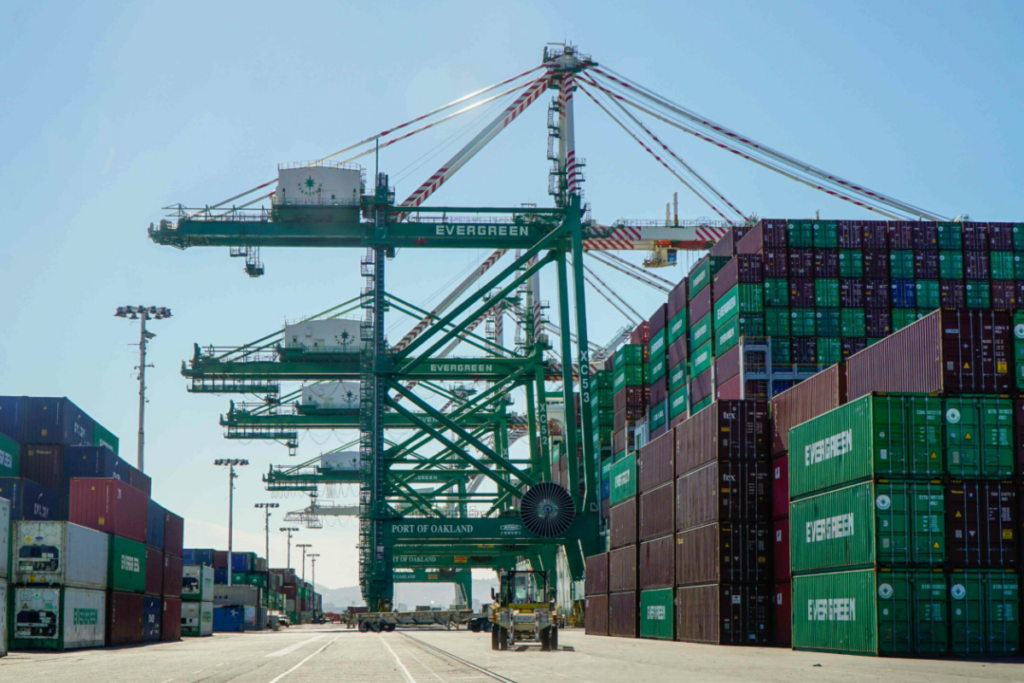
Manufacturing, Metals, and Component Quality
Freight, Rail, Intermodal, and Material-Handling Assets
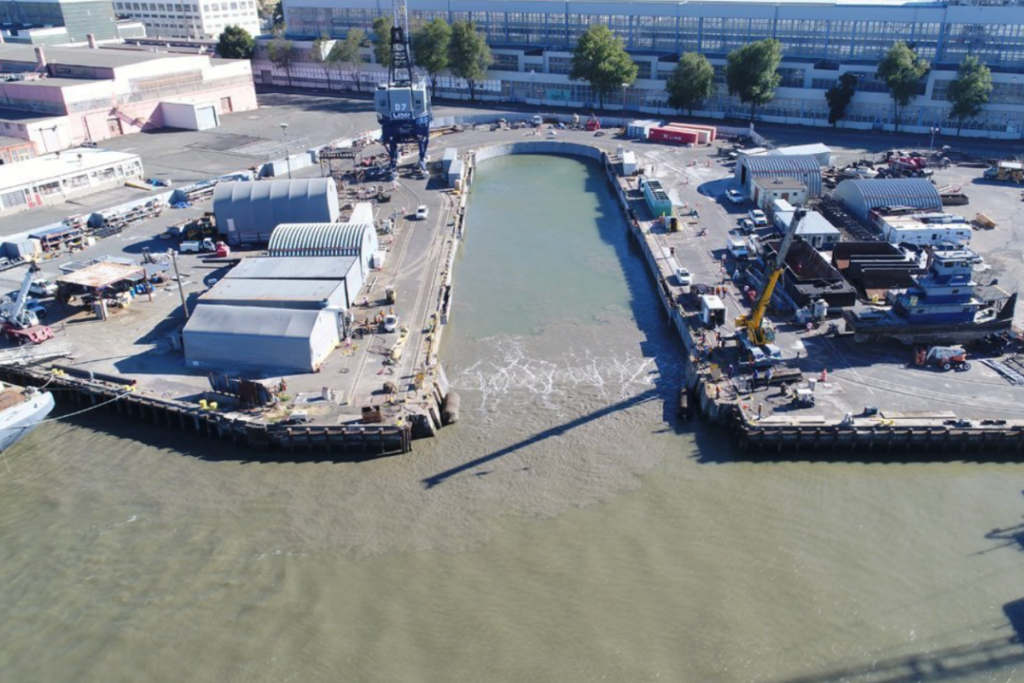
![[Visible water or wastewater asset] at [confirmed facility/location] in California](https://mfe-is.com/wp-content/uploads/2026/09/california-water-wastewater-infrastructure-1024x683.png)
Ports, Waterways, and Water Infrastructure
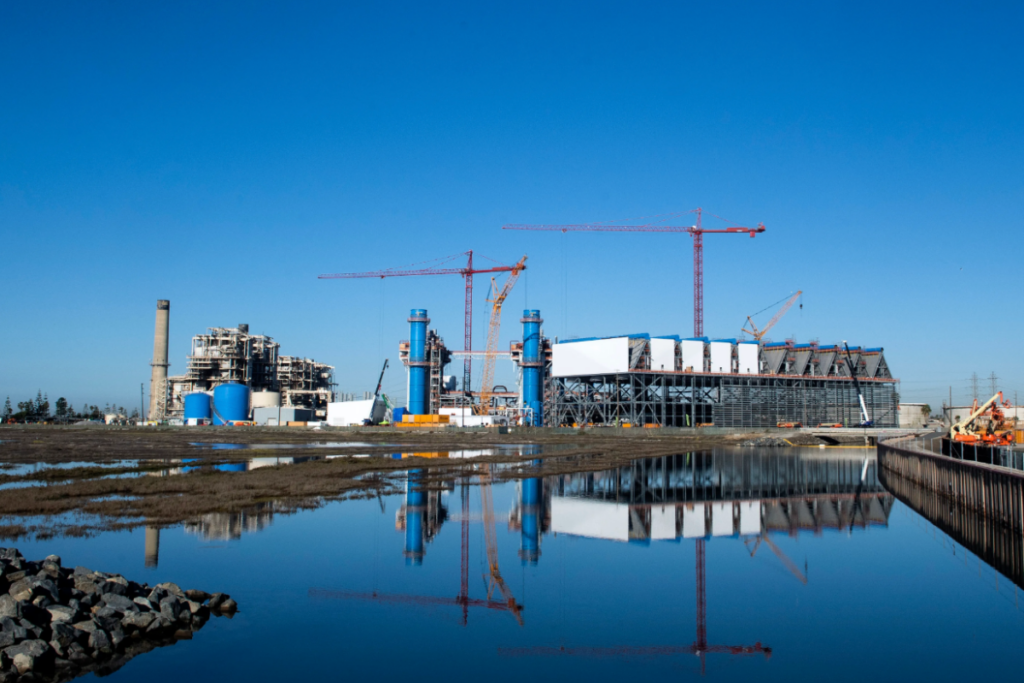
![[Visible energy infrastructure] in [confirmed California location]](https://mfe-is.com/wp-content/uploads/2026/09/california-energy-utility-infrastructure-1024x683.png)
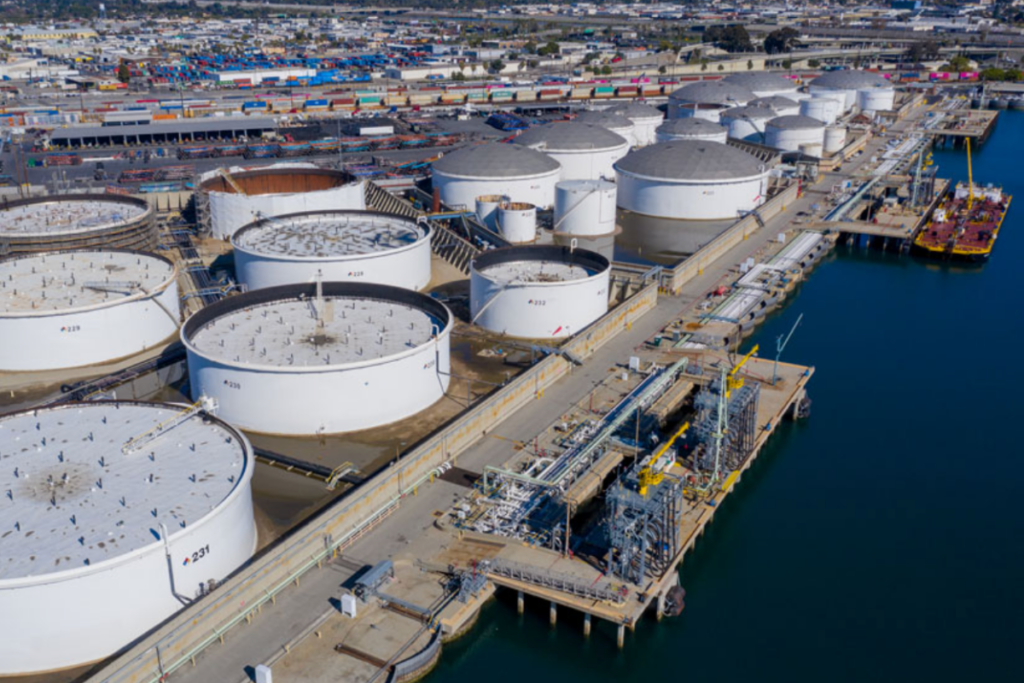
Energy, Process, and Utility Equipment
Need Help Choosing the Right Inspection Equipment?
You don’t need to know exactly which equipment you need before contacting MFE.
Whether you’re planning a scheduled inspection, preparing for a turnaround, or responding to an unexpected issue, MFE can help you evaluate equipment based on your specific application in the Chicago area. From equipment selection to sales and rentals, our team can help you determine the right solution for your project.
Supporting Inspection Work Across the Chicago Area
New Lenox, Joliet, and Will County
![[Visible industrial asset] in [confirmed Northern California location]](https://mfe-is.com/wp-content/uploads/2026/09/northern-california-regional-industrial-infrastructure-1024x683.png)
Chicago, Calumet, and South and Southwest Cook County
O’Hare, the Northwest Suburbs, and the Broader Metro Area
![[Visible infrastructure] in California’s Central Valley](https://mfe-is.com/wp-content/uploads/2026/09/central-valley-inland-california-industrial-infrastructure-1024x683.png)
Why Chicago Area Inspection Teams Work With MFE
tbd
Guidance Based on the Inspection
MFE begins with the asset, access conditions, required data, and inspection objective. This application-focused approach helps customers compare equipment based on the work rather than choosing a system solely from a product list.
Equipment for Purchase and Rental
Customers can evaluate both purchasing and rental options across a broad range of inspection and environmental monitoring technologies. Rentals can support temporary requirements, project-specific needs, and equipment evaluation without requiring every tool to become a permanent capital purchase.
Access to Multiple Inspection Technologies
MFE works across nondestructive testing, remote visual inspection, industrial drones and robotics, thermal imaging, optical gas imaging, gas detection, and other specialized inspection categories. That breadth makes it possible to consider different approaches when an application could be addressed in more than one way.Specialized Inspection Technologies
MFE provides access to technologies spanning nondestructive testing, remote visual inspection, environmental monitoring, thermal and acoustic imaging, drones, crawlers, and other robotic inspection systems.
These technologies can support different stages of an inspection workflow, from initial screening and visual documentation to measurement and detailed evaluation. MFE can help buyers determine which equipment category deserves closer consideration before selecting a specific product or configuration.
Chicago Inspection Equipment FAQs
Have questions about inspection equipment sales, rentals, availability, or choosing the right technology for Chicago inspection work?
The answers below address the questions we get most often from our customers in Chicago, and throughout the sate of Illinois.
Yes. Chicago rentals can support short-term inspections, turnarounds, equipment evaluations, temporary capacity needs, and projects that require specialized technology without an immediate purchase.
Rental availability, configurations, accessories, and terms vary by equipment. Confirm the complete project requirement with MFE before scheduling the work.
 English
  English (Canada)
  Français du Canada