
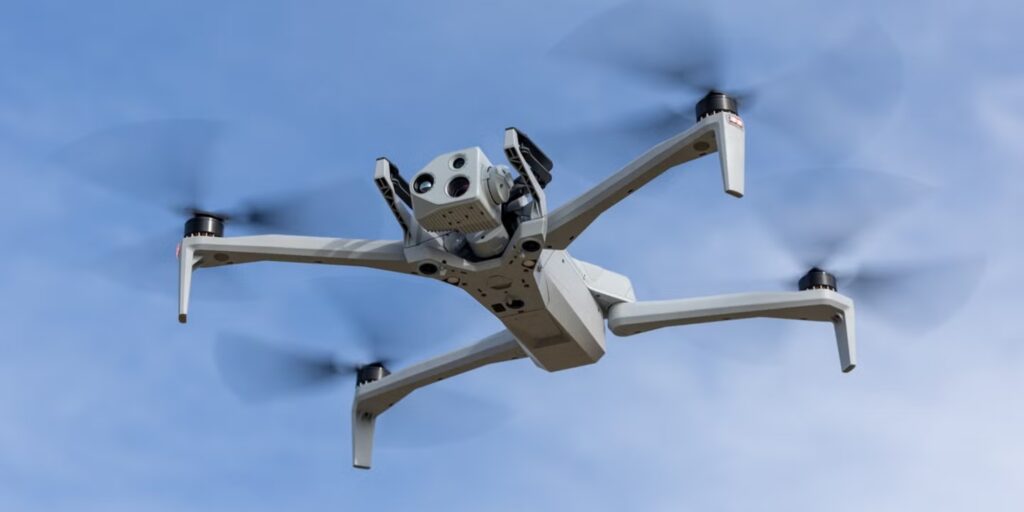
Blue UAS—also called “blue drones”—are drones that have been vetted and approved for U.S. government use through the Department of Defense’s (DOD’s) Blue UAS program. (“UAS” stands for uncrewed aerial systems—i.e., drones.)
→ Jump to the full list of Blue Drones
To become a blue drone, companies must undergo rigorous security, supply-chain, and performance assessments. After getting approval, the specific drone is added to the Blue UAS Cleared List.
These drones are considered trusted options for government and defense missions, and automatically approved for procurement from a safety and security standpoint.
Why Blue UAS Matters Right Now
In late 2025, the FCC effectively blocked all foreign drone companies from importing new drones. There are exemptions to the block, including exemptions for blue drones—and we expect more to be rolled out as time passes.
But the emphasis on security concerns is making Blue UAS all the more appealing to companies that want to make sure the technology they use is free from both import and potential security issues.
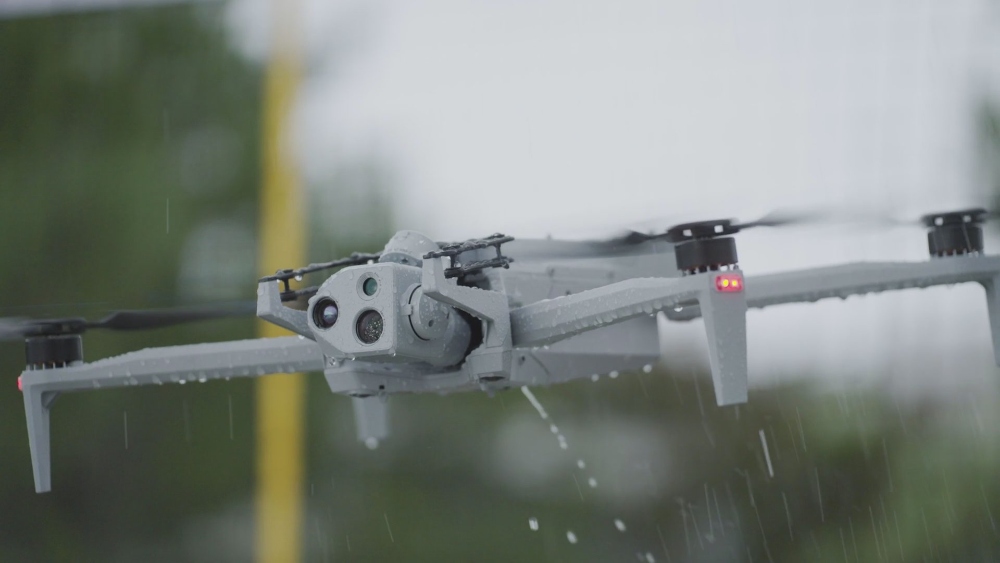
Best Blue Drones for Industrial Inspections
While many Blue UAS are designed mainly for defense or tactical missions, a subset stands out for their inspection inspection capabilities. The drones below combine Blue UAS approval with capabilities well-suited to visual inspection, mapping, and infrastructure assessment.Skydio X10D
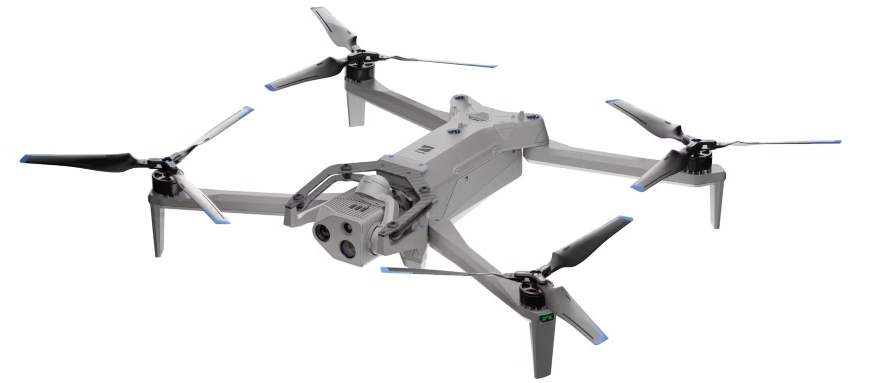 The Skydio X10D is a highly autonomous, portable drone designed for close-range inspection and situational awareness in complex environments.
Its autonomy and sensor package make it especially effective for inspecting structures where GPS may be unreliable.
The Skydio X10D is a highly autonomous, portable drone designed for close-range inspection and situational awareness in complex environments.
Its autonomy and sensor package make it especially effective for inspecting structures where GPS may be unreliable.
- 360° obstacle avoidance and autonomous navigation for flying close to structures
- Integrated visual and thermal imaging for condition assessment and anomaly detection
- Compact, rapidly deployable design suited to frequent field inspections
Freefly Alta X
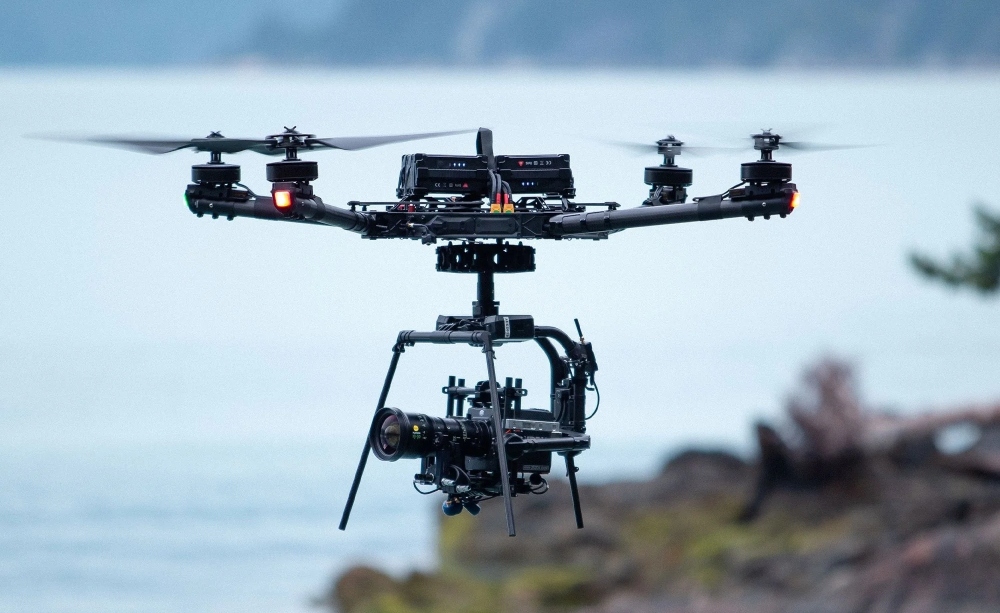 The Freefly Alta X, when configured with its Blue Package, offers a heavy-lift option for demanding inspection scenarios.
Its modular architecture supports advanced sensors used in complex inspection and data collection workflows.
The Freefly Alta X, when configured with its Blue Package, offers a heavy-lift option for demanding inspection scenarios.
Its modular architecture supports advanced sensors used in complex inspection and data collection workflows.
- High payload capacity for LiDAR, high-end cameras, and multi-sensor inspection payloads
- Open, modular frame designed for custom inspection configurations
- Stable flight performance under heavier sensor loads
Teal 2
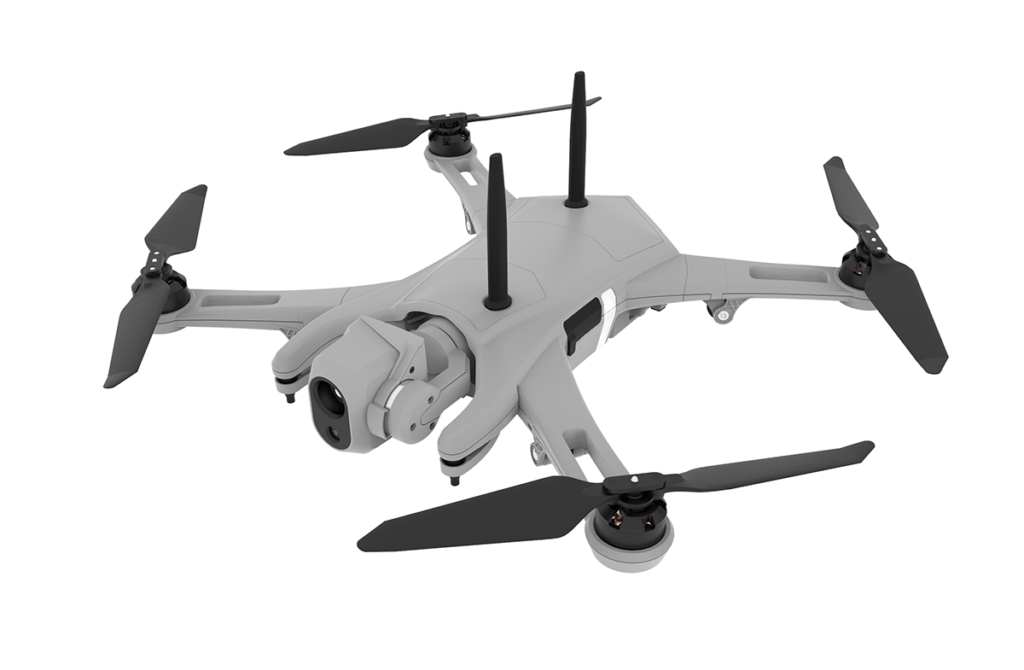 The Teal 2 is a compact, rugged drone optimized for short-range inspection and reconnaissance tasks.
Its small footprint and night-capable imaging make it useful for inspections where portability and rapid deployment matter.
The Teal 2 is a compact, rugged drone optimized for short-range inspection and reconnaissance tasks.
Its small footprint and night-capable imaging make it useful for inspections where portability and rapid deployment matter.
- Lightweight airframe for easy transport and fast deployment
- Integrated electro-optical and thermal sensors for day and night inspections
- Well suited to confined, indoor, or tactically constrained inspection environments
Inspired Flight IF800
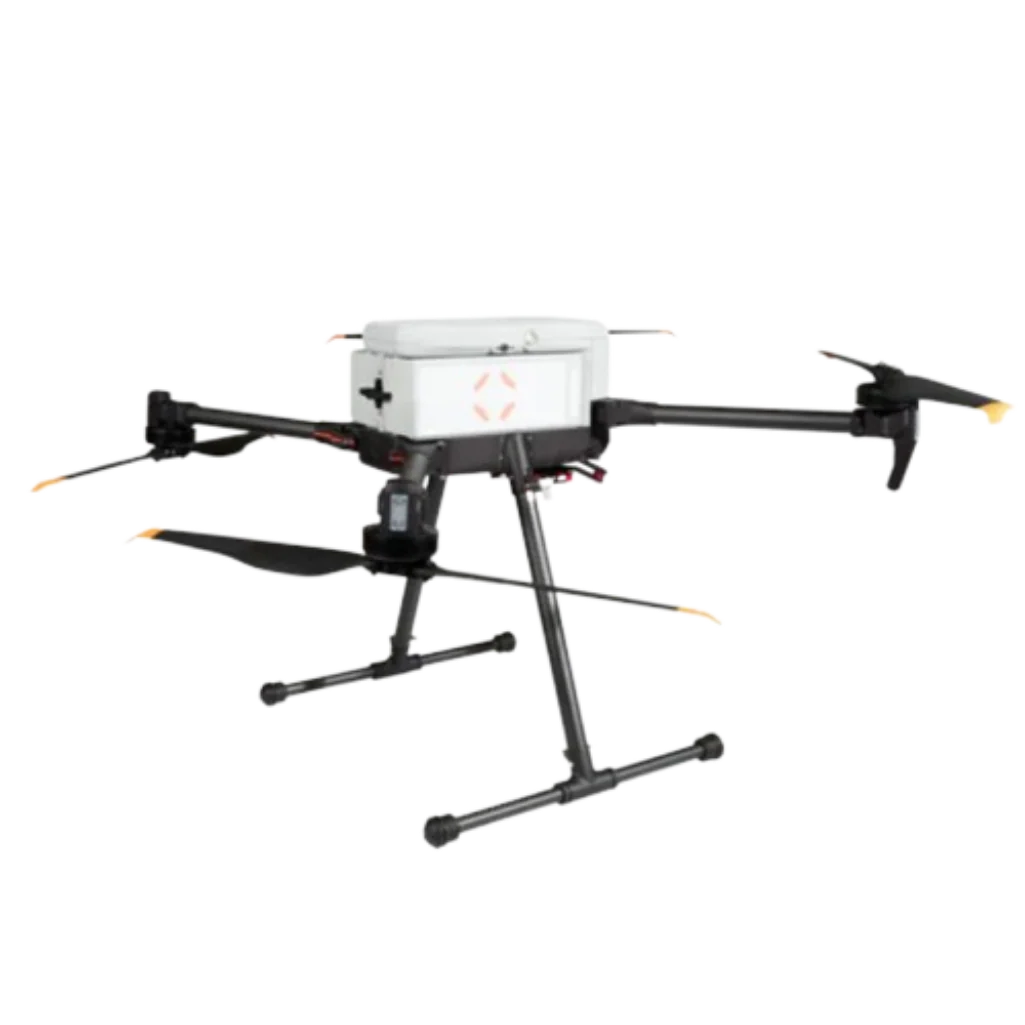 The Inspired Flight IF800 is an industrial-grade multirotor designed for inspection and mapping missions that require heavier sensors.
It strikes a balance between payload capacity and deployability for large-area infrastructure inspections.
The Inspired Flight IF800 is an industrial-grade multirotor designed for inspection and mapping missions that require heavier sensors.
It strikes a balance between payload capacity and deployability for large-area infrastructure inspections.
- Supports LiDAR, photogrammetry, and multi-sensor inspection payloads
- Longer endurance under load compared to smaller multirotors
- Commonly used for utility, transportation, and energy asset inspections
Inspired Flight IF1200A
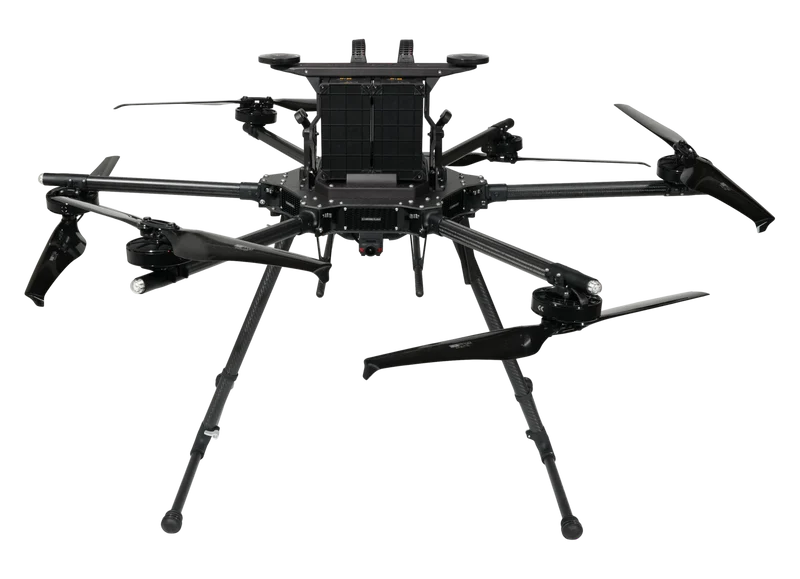 The Inspired Flight IF1200A is a heavy-lift, industrial-grade multirotor built for the rugged inspection and mapping missions.
Its higher payload capacity enables the use of larger LiDAR systems and specialized inspection sensors.
The Inspired Flight IF1200A is a heavy-lift, industrial-grade multirotor built for the rugged inspection and mapping missions.
Its higher payload capacity enables the use of larger LiDAR systems and specialized inspection sensors.
- Heavy-lift capability for large LiDAR systems and custom inspection payloads
- Designed for stable flight with high-mass sensors
- Well suited to large-scale infrastructure, utility, and energy inspections
What Is Blue UAS?
Blue UAS is a DOD initiative designed to help government users identify drone platforms that meet strict requirements for security and trusted technology. The goal is to reduce supply-chain and cybersecurity risk while giving agencies a faster, clearer path to procure drones that meet mission needs. But being “Blue UAS” doesn’t necessarily mean a drone is the right fit for every organization. Instead, it signals that the platform has been evaluated against government-grade requirements that many security-conscious buyers care about.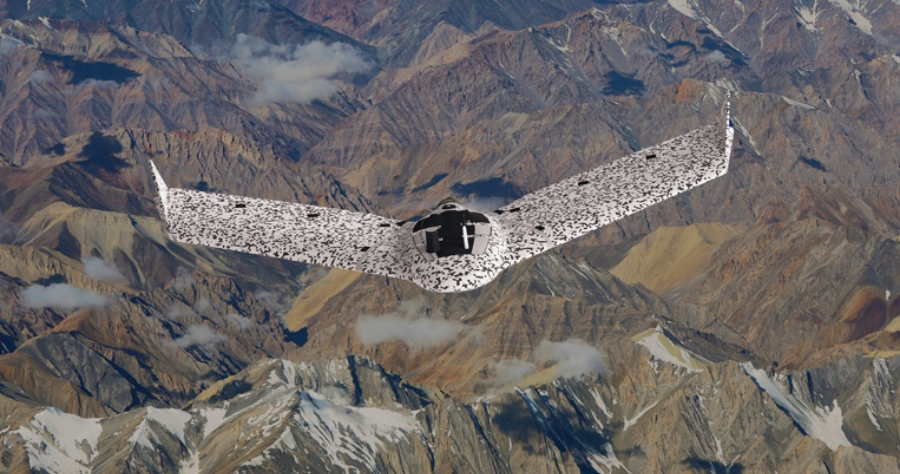
How Do Drones Become Blue UAS?
To be added to the Blue UAS Cleared List, a drone platform must meet a set of strict requirements established by DOD and administered by the Defense Innovation Unit (DIU). While the exact evaluation process is not fully public, the core requirements generally fall into five key areas.1. Cybersecurity and Data Protection
Blue UAS platforms must demonstrate strong cybersecurity practices, including secure communications, data encryption, and protections against unauthorized access. The goal is to ensure that sensitive data collected by the drone cannot be intercepted, exfiltrated, or manipulated.2. Trusted Supply Chain
A key focus of the Blue UAS program is supply-chain integrity. Platforms are evaluated to reduce reliance on components or manufacturing tied to countries considered security risks. This requirement aligns closely with NDAA restrictions and broader federal concerns around foreign‑made drone technology. But unlike the NDAA label, Blue UAS drones have that supply chain formally verified. By contrast, companies can call a product “NDAA‑compliant” without going through any equivalent independent verification, so you generally can’t confirm the claim unless the system is also Blue or Green UAS.3. Operational Capability
Beyond security, a Blue UAS must be capable of performing real-world government missions. This includes demonstrating reliable flight performance, robust command-and-control links, and the ability to carry mission-appropriate payloads.4. Testing, Validation, and Sustainment
Drones on the Blue UAS list undergo testing and validation to confirm their performance and durability. Just as importantly, manufacturers are expected to support ongoing updates, security patches, and long-term sustainment. And companies need to keep up with these updates—drones that reach end-of-life or fall behind on updates can be removed from the list.5. Ongoing Compliance
Inclusion on the Blue UAS Cleared List is not permanent. Platforms can be removed if they fail to address cybersecurity issues, undergo significant unapproved design changes, or no longer meet evolving government requirements. Together, these requirements make Blue UAS a relatively small but highly trusted subset of the broader drone market, prioritizing security and reliability over low cost or rapid iteration.Blue UAS vs. Green UAS vs. NDAA-Compliant Drones
Blue UAS is often discussed alongside terms like Green UAS and NDAA-compliant drones, but these labels are not interchangeable. Understanding the differences can help buyers determine which level of vetting is appropriate for their organization.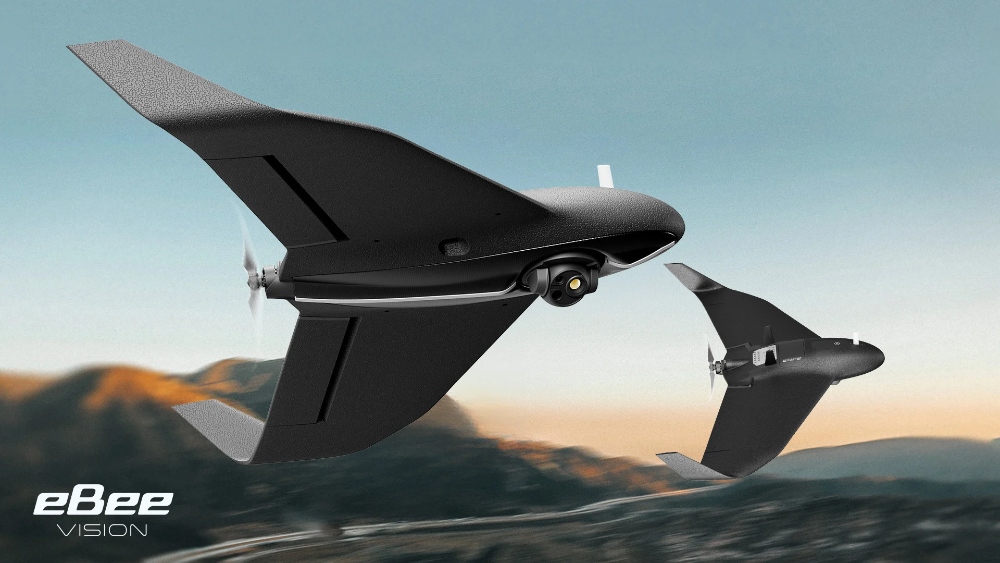
Blue UAS
Level of Security: The gold standard—but not necessary for most organizations Blue drones have been evaluated and approved for U.S. federal government use through the Department of Defense’s Blue UAS program. These drones meet the highest bar for cybersecurity, supply-chain trust, and operational suitability.- Approved for federal government procurement
- Strong emphasis on cybersecurity and secure communications
- Supply-chain scrutiny aligned with national security requirements
- Ongoing compliance and re-evaluation over the life of the platform
Green UAS
Level of Security: Very high, and more than sufficient for the needs of most private companies Green UAS refers to a separate initiative focused on commercial and public-sector users outside the federal defense space. Green UAS platforms are vetted for cybersecurity and NDAA compliance but are not evaluated to the same mission-specific standards required for Blue UAS.- Designed for commercial, state, and local government use
- Strong security standards, but less restrictive than Blue UAS
- Typically broader hardware and software flexibility
- Not specifically cleared for DoD procurement
NDAA-Compliant Drones
Level of Security: Varies, since “NDAA‑compliant” is usually self‑declared unless the drone is also Blue or Green UAS NDAA-compliant drones meet the requirements of the National Defense Authorization Act, which restricts the use of certain foreign-made components and manufacturers—most notably those tied to China. While Blue and Green UAS undergo rigorous security reviews, NDAA-compliant drones only meet supply chain requirements (that is, they’re not made in certain places, like China).- Focuses primarily on supply-chain restrictions
- Does not, by itself, imply federal approval or cybersecurity vetting
- Common requirement for government-adjacent and security-conscious buyers
- Often used as a baseline standard in the commercial market
Which One Matters Most?
The right designation depends on who you are and how the drone will be used. Federal agencies and defense contractors typically require Blue UAS. For most companies and solo pilots, commercial and public-sector organizations may find that Green UAS or NDAA-compliant platforms provide sufficient security without the added constraints of the Blue UAS program. And some may find they don’t need to worry about security very much at all, and don’t need to be concerned with any of these distinctions.Why Are People So Interested in Blue UAS Right Now?
Interest in DJI alternatives has increased sharply over the past few years, driven by a combination of security concerns, regulatory changes, and procurement restrictions, particularly for government and security-sensitive organizations. There are two main reasons for this increase in interest:- Security and Supply-Chain Concerns
- FCC Restrictions on New Foreign-Made Drones
1. Security and Supply-Chain Concerns
DJI drones have long faced scrutiny from U.S. government agencies over potential cybersecurity and supply-chain risks. As a result, DJI platforms are restricted or prohibited for use by many federal agencies, even though they remain popular in the commercial market. For buyers operating in regulated environments—or those working with government clients—these concerns often make DJI a non-starter, regardless of performance or price. But it’s important to note that DJI has undergone several third-party audits, and no significant security risks have ever been found. Also, the U.S. government has never done its own formal audit, even though DJI asked it to do so several times.2. FCC Restrictions on New Foreign-Made Drones
More recently, changes at the Federal Communications Commission (FCC) have added another layer of complexity. New rules have effectively blocked the import and authorization of all new foreign-made drone models that do not already have FCC equipment authorization. While previously approved models can still be imported, these changes have increased uncertainty around long-term availability, updates, and support for foreign-manufactured drones.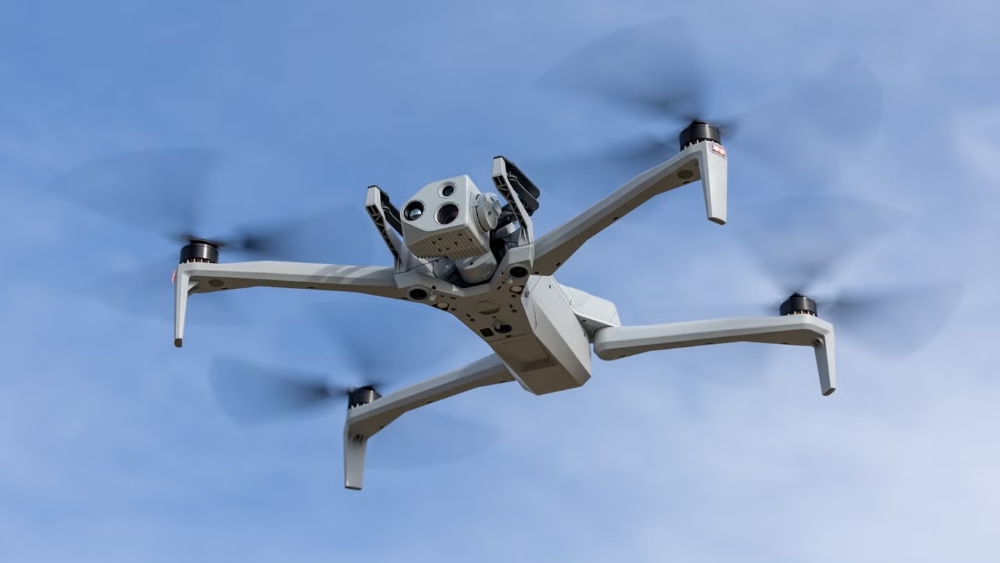
Where Blue UAS Fits In
Blue UAS drones play a critical role for federal and defense users, but they are best viewed as part of a broader landscape of trusted drone options—rather than a one-size-fits-all replacement for DJI. Blue UAS platforms sit at the far end of the “trusted drone” spectrum. Inclusion on the Blue UAS Cleared List signals that a drone has passed rigorous security and supply-chain review and is considered suitable for federal government use. For many buyers, however, Blue UAS is not at all necessary, and may be prohibitively expensive. Commercial operators, industrial inspection teams, and public safety agencies may find that NDAA-compliant or Green UAS platforms—or, often, platforms that don’t have these designations—provide the right balance of security, capability, and flexibility.Choosing the Right Level of Compliance
The key takeaway is that searching for a DJI alternative does not automatically mean you need a Blue UAS drone. Instead, buyers should evaluate:- Who the end customer is (federal, state/local, commercial)
- Whether procurement rules apply
- How sensitive the data being collected is
- Long-term availability and vendor support
 English
  English (Canada)
  Français du Canada